


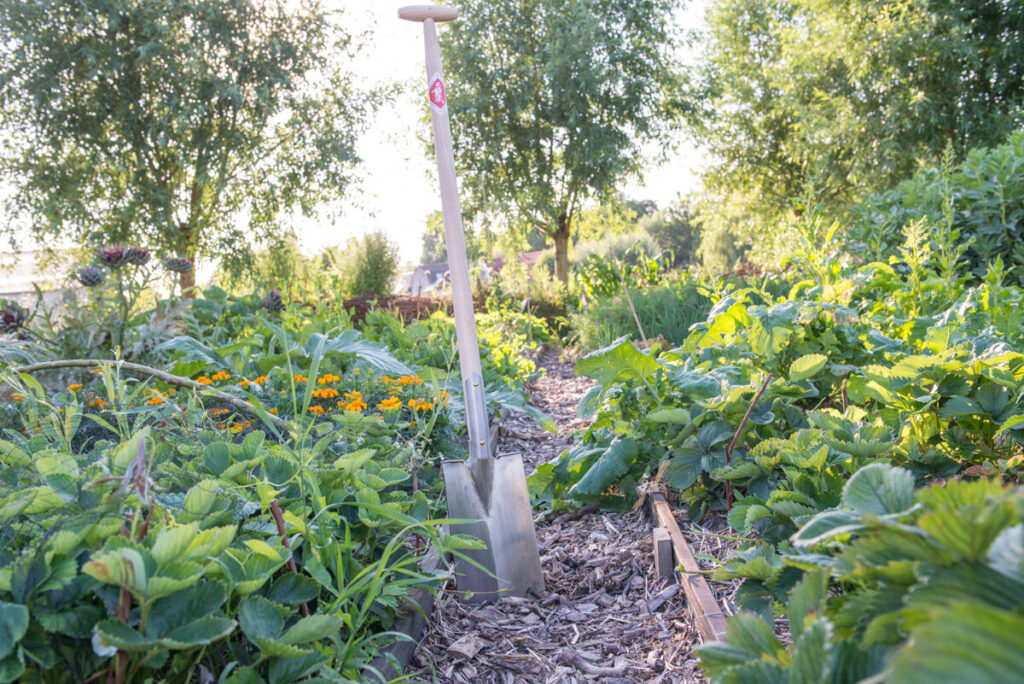
Ben je op zoek naar praktische tuintips voor de zomer? De zomer is het seizoen waar je de rest van het jaar naartoe hebt gewerkt. De tuin staat in volle bloei, de avonden zijn lang en de terrastafel staat klaar in de avondzon. Maar wie zijn tuin het hele seizoen mooi wil houden, weet ook dat juni, juli en augustus het nodige van je vragen. Met de juiste aanpak, en het juiste gereedschap, is dat geen werk maar plezier. In dit artikel lees je maand voor maand welke tuintips zomer je verder helpen en welke handgesmede gereedschappen van Sneeboer daarbij passen.
Elke zomermaand heeft zijn eigen ritme. Juni draait om groei en verzorgen, juli om oogsten en water geven tijdens de hitte, en augustus om de oogst binnenhalen terwijl je alvast vooruitkijkt naar de herfst. Of je nu werkt in een moestuin, een siertuin of een boomgaard, met de juiste timing en goed gereedschap haal je het beste uit het seizoen. Hieronder loop je per maand de belangrijkste klussen door.
Tuintips zomer: juni – Groei, bloei en de eerste oogst
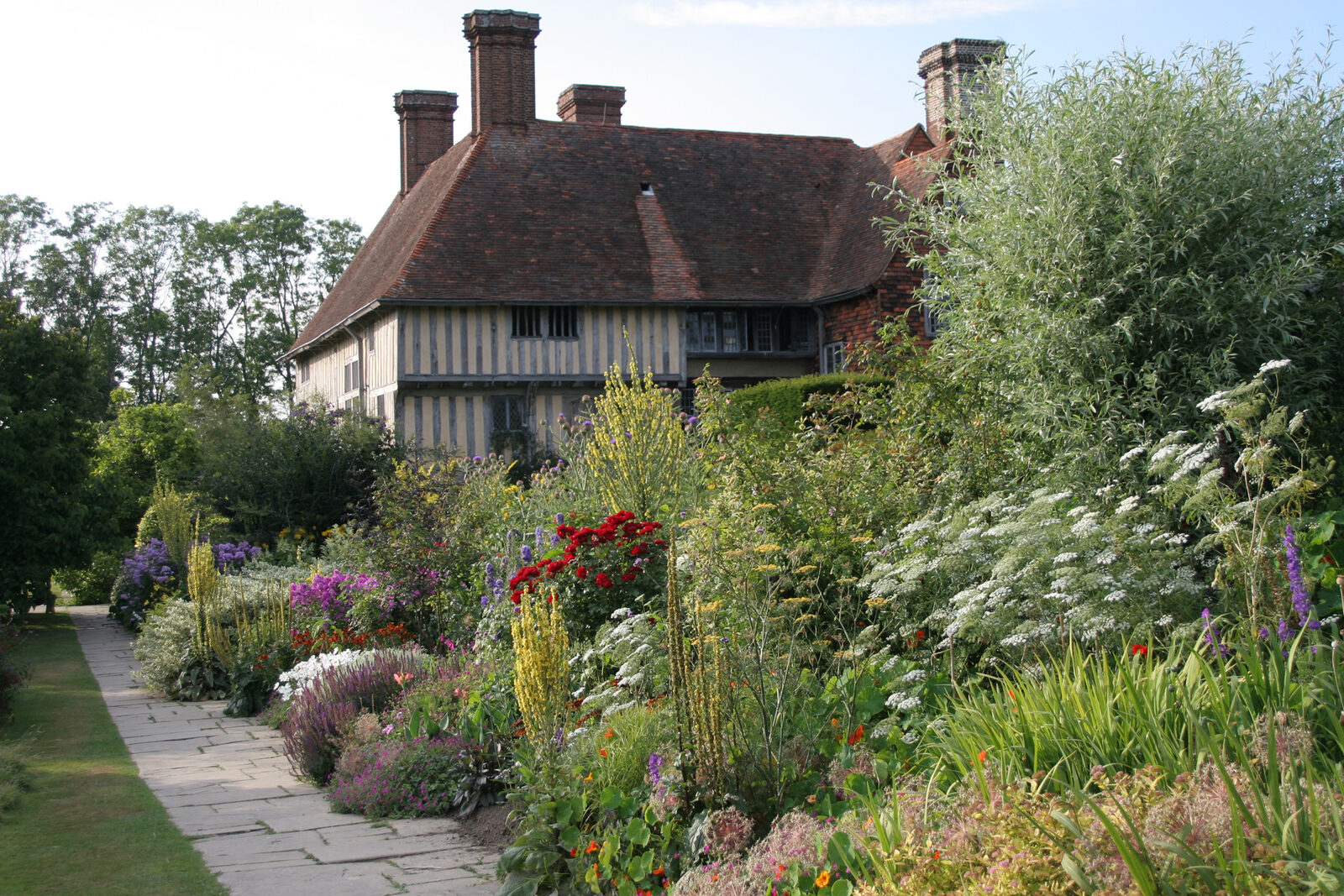
Juni is de maand van overvloed. Alles groeit, bloeit en kruipt over zijn eigen grenzen heen. De grootste zorg is het bijhouden van die weelderigheid, niet om haar te beteugelen maar om haar te begeleiden. Het gras groeit nu op zijn hardst. Maai regelmatig, maar niet te kort: een hoogte van vijf à zeven centimeter houdt de bodem vochtig en voorkomt verdroging tijdens warme dagen. Een strakke rand langs de borders geeft de hele tuin meteen meer rust. Een graskantsteker is daarbij onmisbaar. En geef vroeg in de ochtend water, zodat de plant de dag begint met gevulde cellen en het blad niet verbrandt in de middagzon.
Juni is ook hét moment om onkruid de baas te blijven voordat het zaad schiet. Wie nu ingrijpt, bespaart zichzelf maanden werk. De grond is nog vochtig genoeg om wortels in één beweging volledig mee te nemen. En vergeet je rozen niet: verwelkte bloemen wegknippen, het zogeheten deadheading, stimuleert nieuwe bloei. Knip met een scherpe snoeischaar net boven een bladoksel. Scherp gereedschap is hier geen luxe, het beschermt de plant tegen rafelige wonden.
- Bloembollen rooien: Gebruik de Rooischop/Bollenschop om uitgebloeide bollen schadevrij te verwijderen.
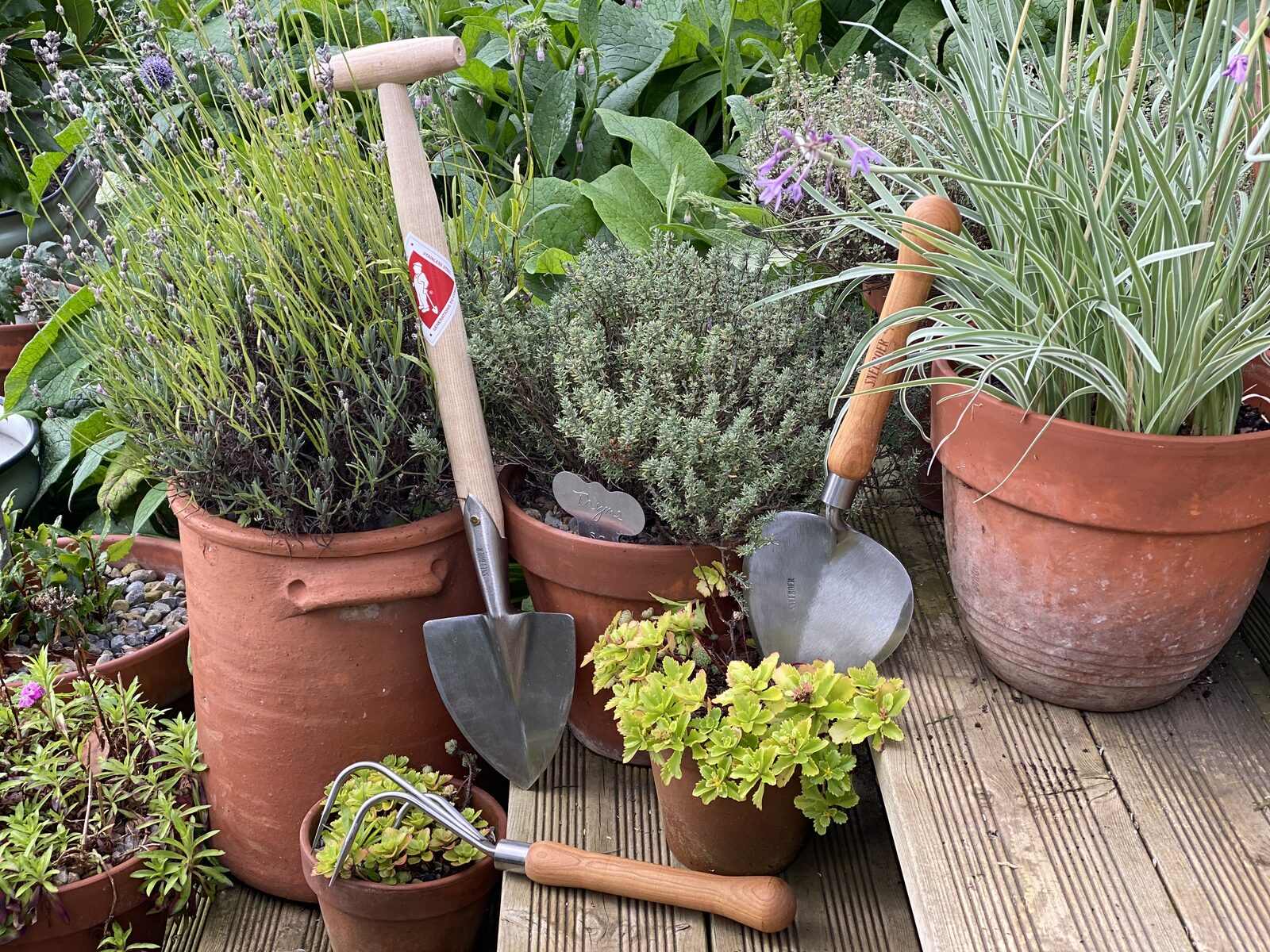
- Zomerborders aanvullen: Plant zomerbloeiers met een Handbollenplanter of Planttroffel.
- Onkruid bestrijden: Gebruik de Hakschoffel of het Wiedvinger voor schoonmaak tussen planten.
- Vaste planten delen: Scheur planten als iris met het Plantschopje.
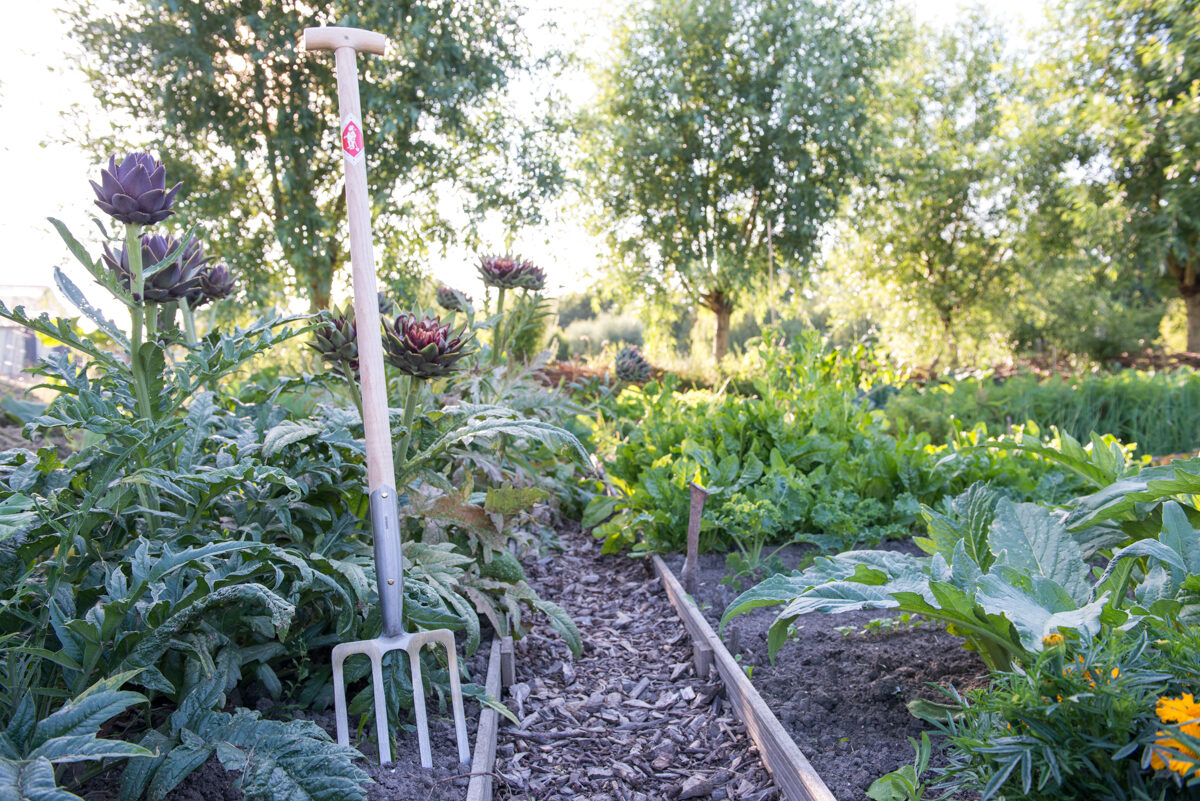
- Eerste aardappeloogst: Gebruik de Aardappelrooivork om knollen voorzichtig te oogsten.
- Composteren: Begin een nieuwe laag met de Compostvork.
Wil je je gereedschap in topconditie houden tijdens de zomermaanden? Bekijk onze onderhoudstips voor tuingereedschap.
Aanbevolen tuingereedschap
-

Bulb Shovel
£108,65 -

Hand Bulb Planter
£93,52 -

Digging Fork
Price range: £112,63 through £115,60 -

Compost Fork
£161,09
Tuintips zomer: juli – Hoogtepunt, oogsten en zomersnoei
Juli is de warmste maand en voor de tuin de meest veeleisende. Het is ook de mooiste: als je goed voor je tuin hebt gezorgd, pluk je er nu letterlijk de vruchten van. Wie een moestuin heeft, oogst in juli bijna dagelijks. Courgettes, bonen, sla, tomaten en kruiden vragen om regelmatige pluk, niet alleen om te eten maar ook om de plant productief te houden. Een week zonder regen kan de tuin snel uitputten, dus controleer dagelijks de bodemvochtigheid bij de wortels. Let op: de oppervlakte kan droog ogen terwijl de bodem dieper nog voldoende vocht bevat, of precies andersom. Voel daarom met je vingers in de grond voordat je de gieter pakt. Mulch rond je planten houdt vocht vast en spaart je een hoop gietwerk. Met een bladhark verspreid je die mulch gelijkmatig over de bodem.
Juli is ook de tijd voor de zomersnoei van appel- en perenbomen. Door overtollige scheuten te verwijderen, krijgen de vruchten meer licht en ruimte. Het lijkt tegenstrijdig om in de zomer te snoeien, maar het geeft de boom rust en zorgt voor een betere oogst. Hoge vaste planten die dreigen om te vallen kun je ondersteunen met staken of ringstekers. En wie zijn borders regelmatig doorloopt met een schoffel houdt de grond los en luchtig, goed voor de wortelgroei en de vochtopname.
- Oogsten: Knoflook, uien, wortels en bieten zijn klaar. Gebruik een Wortelsteker of vork om schadevrij te oogsten.
- Groenten en kruiden plukken: Een klein tuinmes houdt je oogst netjes. Het handgemaakte Tina mes uit Duits topstaal is hierbij een krachtpatser.
- Plant wintergroenten: Prei, boerenkool en bloemkool kunnen nog geplant worden. Gebruik een Planttroffel.
- Wieden bij droogte: Pak onkruid bij de wortel aan met een Koninklijke Handschoffel of Bietenhak.
- Vocht vasthouden: Schoffel regelmatig en mulch rond dorstige planten.


En vergeet het allerbelangrijkste werkje van juli niet: genieten. Een stoel in de schaduw, kinderen die door de tuin rennen, de geur van vers gemaaid gras. Daar is een Sneeboer-tuin voor gemaakt. Tip: lees ook ons artikel over gazonbeluchting voor een groen gazon in de hitte.
Tuintips zomer: augustus – Oogsten én vooruitkijken
Augustus heeft iets dubbelzinnigs. Aan de ene kant staat de zomer nog in volle glorie, met rijpe zonnebloemen, weelderige borders en warme avonden. Aan de andere kant kondigt de natuur voorzichtig al het nieuwe seizoen aan. Voor de oplettende tuinier is augustus de maand van oogsten én voorbereiden. Laat je mooiste bloemen uitbloeien tot zaad. Papaver, nigella en veel vaste planten laten hun zaden makkelijk vallen: vang ze op in een papiertje en bewaar ze koel en droog. Volgend jaar begin je met je eigen zaden, met de variëteiten die in jouw tuin het best gedijen.
Augustus is ook de maand om vooruit te zaaien. Spinazie, raapstelen en andere herfstgroenten kun je nu alvast in de grond brengen. De bodem is nog warm en de kiem haalt het makkelijk, zodat je in de herfst een tweede oogst van eigen grond plukt. Maak een fijn zaaibed met een hark, strooi het zaad en druk de grond licht aan. Een paar weken later wijst de tuin zich vanzelf.
Het is daarnaast de beste tijd om stekken te nemen van geraniums, fuchsia’s en andere overjarige planten die je wilt redden van de eerste nachtvorst. Stevig gereedschap helpt je gezonde stekken te snijden zonder te kneuzen, ook hier komt het Tina mes goed van pas. En na de hitte van de zomer kan je gazon verdroogde plekken hebben. Eind augustus, als de temperaturen dalen en de regen terugkeert, is het ideale moment om kale plekken opnieuw in te zaaien. Ploeg de grond licht los, strooi graszaad en druk het aan voor het beste resultaat.
- Uitgebloeide planten ruimen: Gebruik een Verplantspade om netjes te werken.
- Tweejarigen planten: Vingerhoedskruid en vergeet-mij-nietjes kun je nu planten met een Plantschopje.
- Terrassen en paden schoonhouden: Mos en alg op tegels pak je aan met de Voegenkrabber voor smalle voegen.
- Drainage verbeteren: Pak de Drainagespade om harde grond los te maken.
- Doorzaaien voor de herfst: Zaai spinazie en raapstelen in een fijn zaaibed voor een tweede oogst.
- Zaden verzamelen: Knip uitgebloeide eenjarigen terug met een scherpe snoeischaar.

Meer zomerse tuintips van Sneeboer
Wil je het hele jaar door succesvol tuinieren? Bekijk ook deze praktische artikelen:
- Lente tuinieren tips: wat je nu zaait, oogst je later
- Vaste planten verplaatsen voor een gezonde wintertuin
- Gereedschap onderhouden: zo blijft het jarenlang in topconditie
- Gazon beluchten na een droge zomer
Werk met gereedschap dat generaties meegaat
Wat al deze zomerklussen gemeen hebben, is dat ze vragen om gereedschap dat betrouwbaar is. Niet eenmalig goed, maar jaar na jaar. Arie Sneeboer begon ooit met de overtuiging dat het beter kon: tuingereedschap dat niet na een seizoen versleten is, maar wordt overgedragen van ouder op kind. Die gedachte zit in elk stuk dat wij sinds 1913 maken. Gesmeed roestvaststaal, essenhouten stelen van de beste kwaliteit en een balans in de hand die je herkent zodra je hem oppakt. Met deze tuintips zomer en het juiste gereedschap wordt tuinieren nog leuker. Bezoek onze webshop of plan een bezoek aan onze werkplaats in Bovenkarspel.
Heb je vragen of wil je persoonlijk advies? Neem contact met ons op, we helpen je graag verder. Zorg jij voor je tuin, dan zorgen wij voor de rest.