


A lush, green garden is the dream of many gardening enthusiasts. But amongst the flowers and plants, unwanted guests can turn up: weeds. Removing weeds is essential for maintaining a healthy and thriving garden. In this article, we’ll discuss the benefits of weeding and take a closer look at the various tools you can use to carry out this task efficiently.
Why weed?
Weeds are not just an aesthetic problem; they can also be harmful to the health of your plants. Weeds compete with your beloved plants for water, nutrients and sunlight. They can even spread diseases and become a breeding ground for harmful insects. By weeding regularly, you minimise these threats and give your plants the best chance to thrive.
In addition, weeding can improve the overall appearance of your garden. A well-maintained garden conveys a sense of care and attention, which can have a positive impact on both the owner and visitors. A tidy garden is also often a more pleasant place to spend time.
Garden tools for weeding
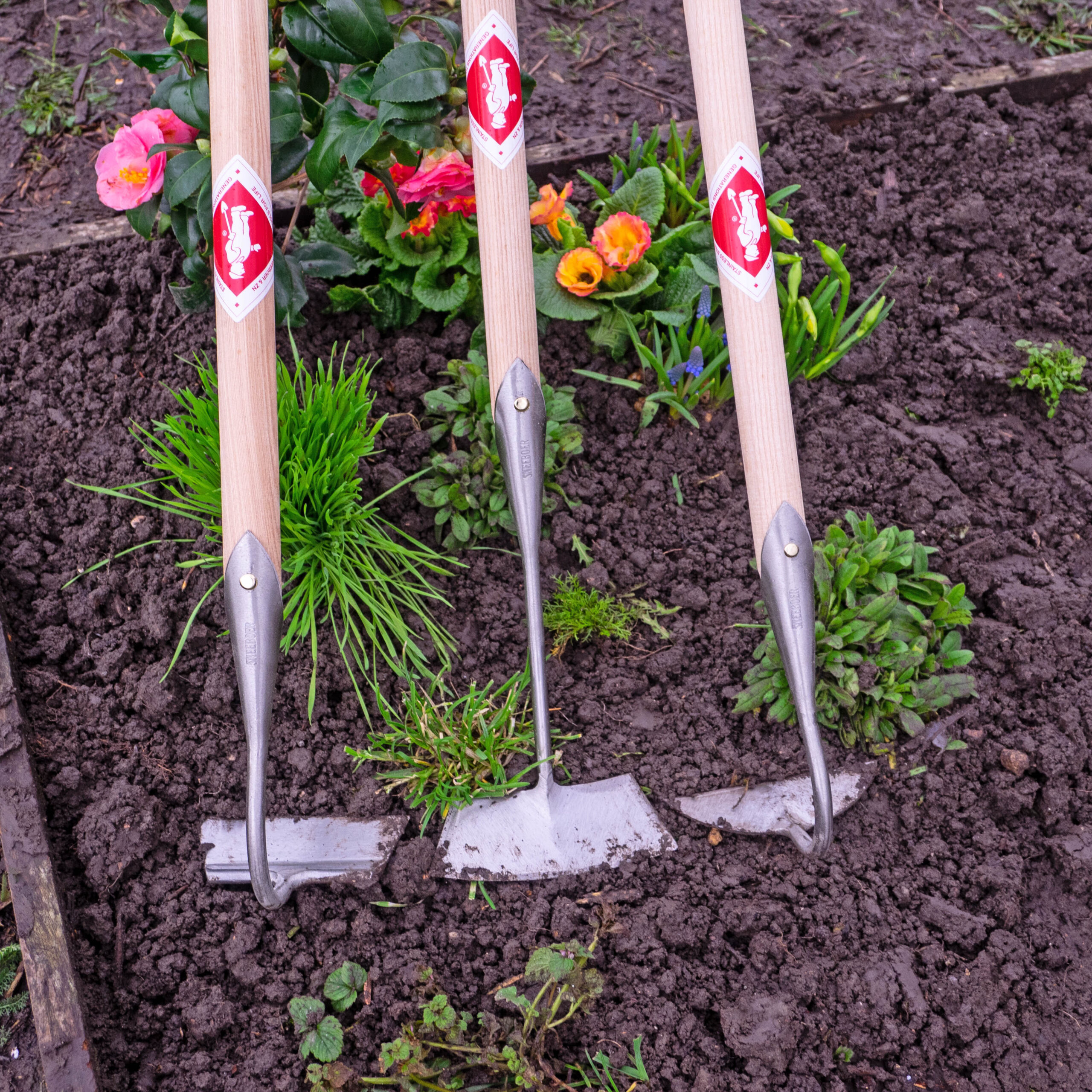
Now that we’ve highlighted the benefits of weeding, it’s time to look at the tools you can use to get the job done. Different situations call for different tools. Here are some popular choices:
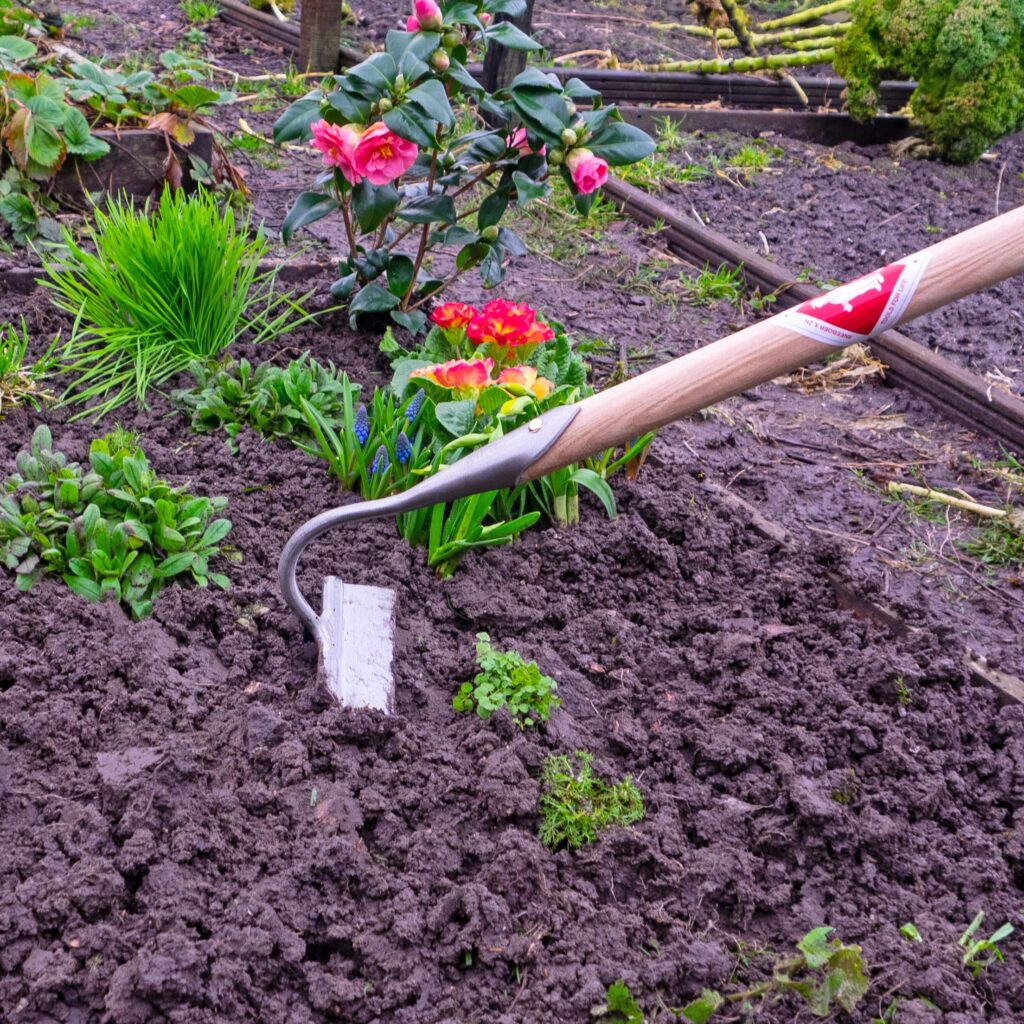
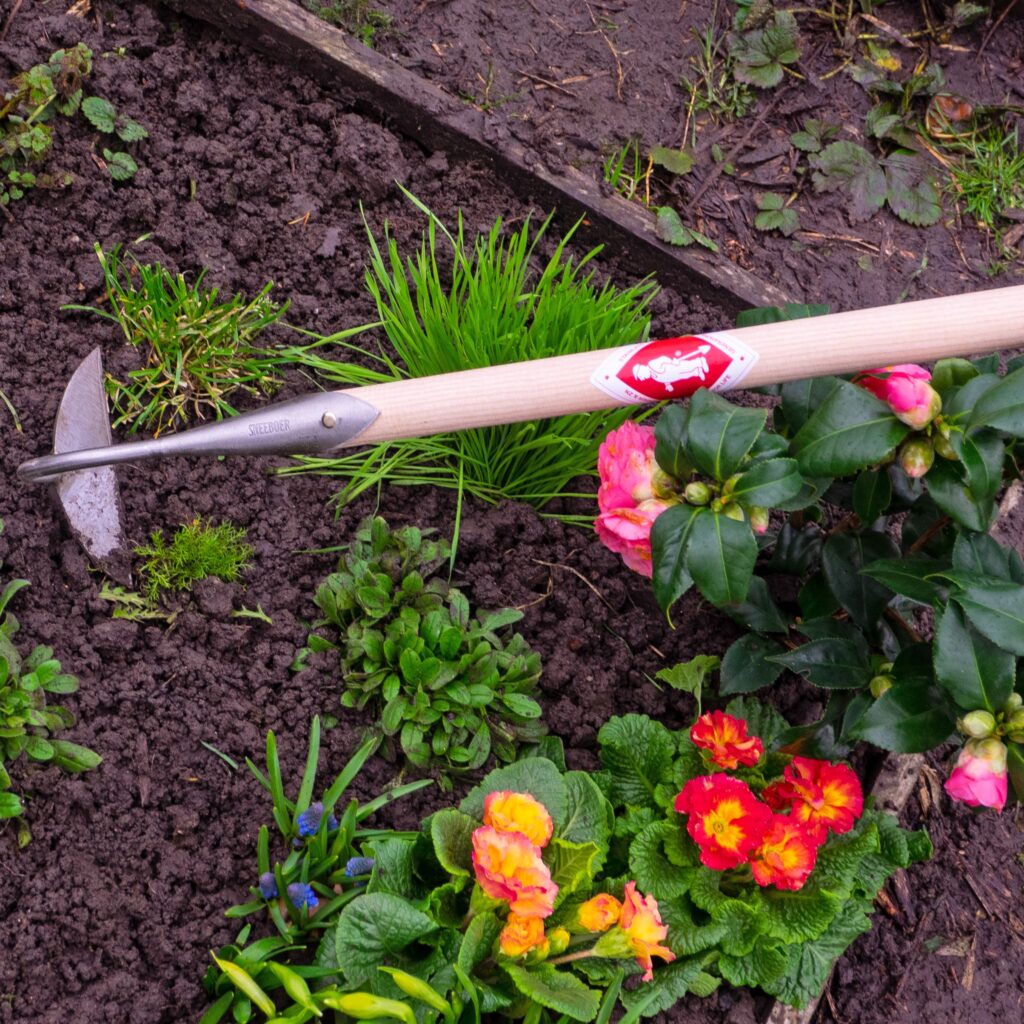
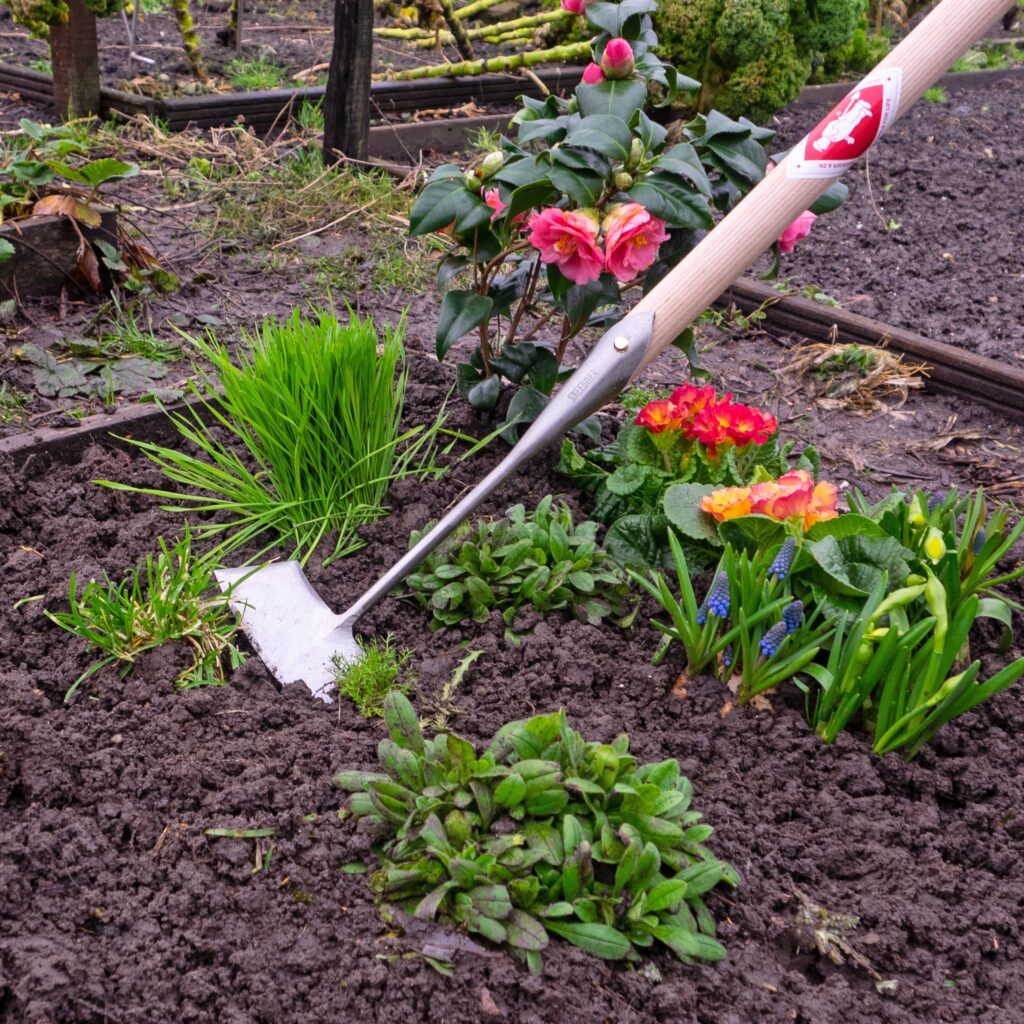
- Hoes: Hoes are handy tools for weeding. They work with a back-and-forth motion and can effectively remove weeds, particularly between plants where space is limited. A hoe with a sharp blade cuts the weeds off at the root, preventing them from growing back.
- Beet hoe: For deeper root systems, you can use a beet hoe. This hoe has a pointed blade that can reach below the surface of the soil to cut the roots of the weeds. This is particularly useful for removing stubborn weed species that are deeply rooted.
- Weed scraper: A weed scraper is ideal for removing weeds from the surface. With a scraper, you can quickly and efficiently scrape away weeds without having to bend down. This is useful for smaller areas and between paving slabs or stones, where weeds often tend to grow.
-
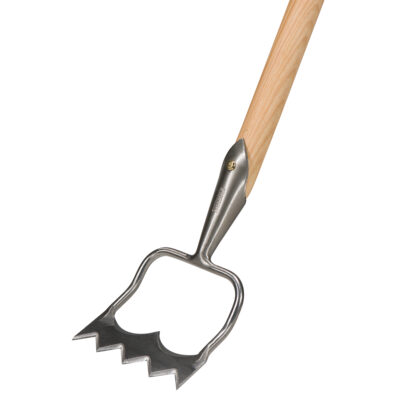 Royal Dutch Hoe 12,5 cm€ 99,99
 -
 Fork & Mattock€ 109,00
 -
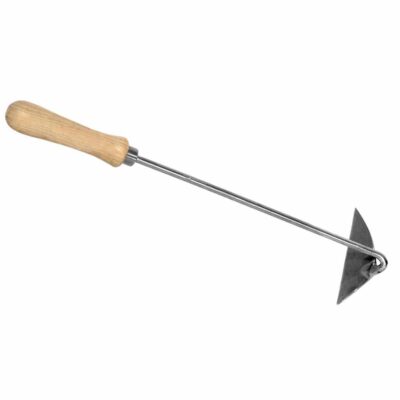 Hand Hoe 12 cm right-handed€ 57,50
 -
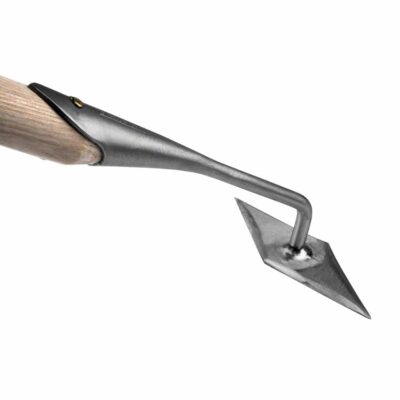 Push Hoe Diamond 16 cm€ 89,50
 -
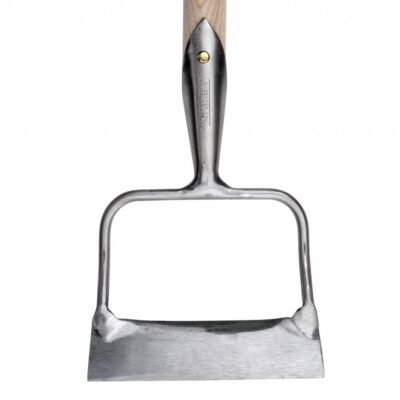 Dutch Push Hoe€ 91,50
 -
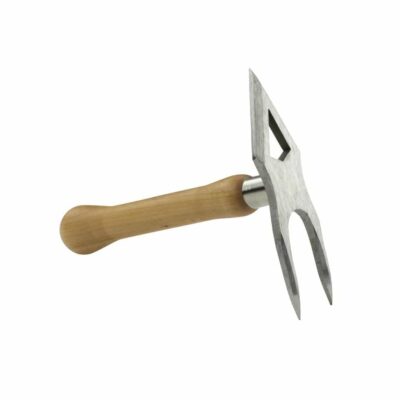 Pull Hoe & Fork€ 67,51
 -
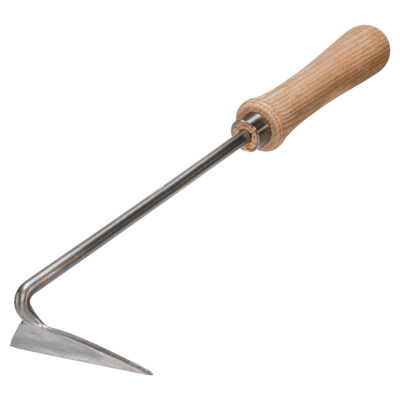 Hand Hoe 10 cm right-handed short model€ 54,10
 -
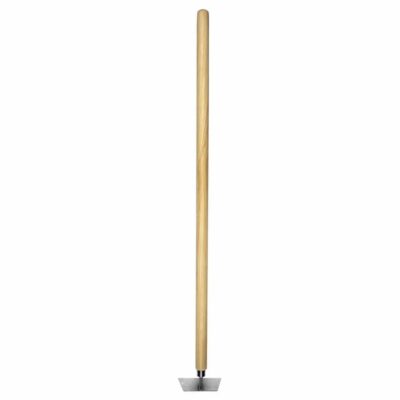 Children’s Pull Hoe€ 23,00
 -
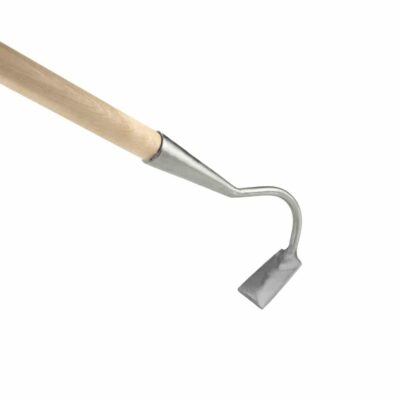 Pull Hoe fine 4 cm LUXE€ 61,00
 -
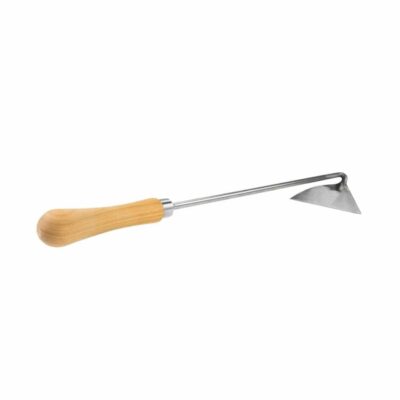 Hand Hoe 12 cm right-handed€ 63,00
Weeding through the seasons
Spring
During wet springs, regular weeding is crucial to prevent weeds from spreading. Use hoes and scrapers for precision, particularly around young seedlings as they develop.
Summer
Protect the plants you want to keep with summer mulch, suppress weed growth, and use beet hoes for deep-rooted weeds and scrapers for surface weeds.
Autumn
Prevent the spread of seeds by removing weeds in the autumn. Hoes are handy for working between plants. Remove dead leaves to prevent disease.
Winter
Hardy weeds can survive; check for any remaining weeds. Use hand rakes in winter to keep flowerbeds free of unwanted vegetation.
Tips for effective weeding
- Regularity. Weed regularly to prevent them from spreading and taking deeper root. Checking regularly can also help keep the task manageable.
- Be thorough. Don’t just remove the parts of the weeds above ground; make sure you pull out or cut through the roots completely. Otherwise, the weeds may grow back quickly.
- Mulching. Spread a layer of mulch around your plants. Mulch suppresses weed growth by blocking out light and retaining moisture.
- Choose the right tools. Select the tools that best suit the specific needs of your garden. A combination of different tools can be effective for different types of weeds and terrain.
In short, weeding isn’t a tedious chore, but rather a necessary step towards a healthy and beautiful garden. By weeding regularly and using the right tools, you can enjoy a lush green oasis without the nuisance of unwanted plants. Remember that a healthy garden starts at the roots, and weeding is the key to a flourishing paradise.
How to weed correctly: technique makes the difference
Pulling a weed out by the leaves instead of the root is the most common mistake in the garden. The plant simply grows back within days. For effective weeding, grip the stem as close to the soil as possible and pull slowly and steadily so the root comes out whole.
- Loosen compacted soil first with a hand fork before pulling, especially for deep tap-rooted weeds like dandelions.
- Weed after rain or watering, when the soil is soft and roots release more easily.
- Remove weeds before they flower to prevent thousands of new seeds spreading across your beds.
- Dispose of weeds carefully — do not compost plants that have already set seed, as many seeds survive the composting process.
Taking a few minutes to use the right technique saves you a lot of repeat work across the season.
How often should you weed your garden?
There is no single answer, because weed pressure depends on your soil type, climate and what plants you grow. As a general rule, a short weeding session once a week during spring and early summer keeps things manageable. At those times weeds germinate fastest and are easiest to remove while still small.
In late summer and autumn, weeding once every two to three weeks is usually enough. Winter is the quietest period, but clearing perennial weeds before the ground freezes saves you a lot of work in spring. Little and often is always more effective than one large session after weeds have already set seed.