Nederland (€)
 Europe (€)
 Deutschland (€)
 France (€)
 United Kingdom (£)
 United States ($)
 Schweiz (CHF)
History
The rich history of Sneeboer through the years. See and read how we once started and where we are now.
2016 - 2023
The webshop is launched, solar panels are put in place and the 4th generation takes over
Read moreRead less
With the introduction of the webshop in 2016, sales rose steadily until the early 2020s. But COVID19 pandemic brought new uncertainties with it and for Sneeboer it was waiting to see what would happen. The corona pandemic lead to a lot of extra measures, but we managed to keep the workshop pretty much open and fortunately no one has been ill for a long time because of this virus. As people were not allowed to travel, they started working in their gardens and as a result the demand for garden tools exploded. Because we make everything ourselves, our delivery time also exploded from 3 weeks to 6 months with an outlier of 9 months.
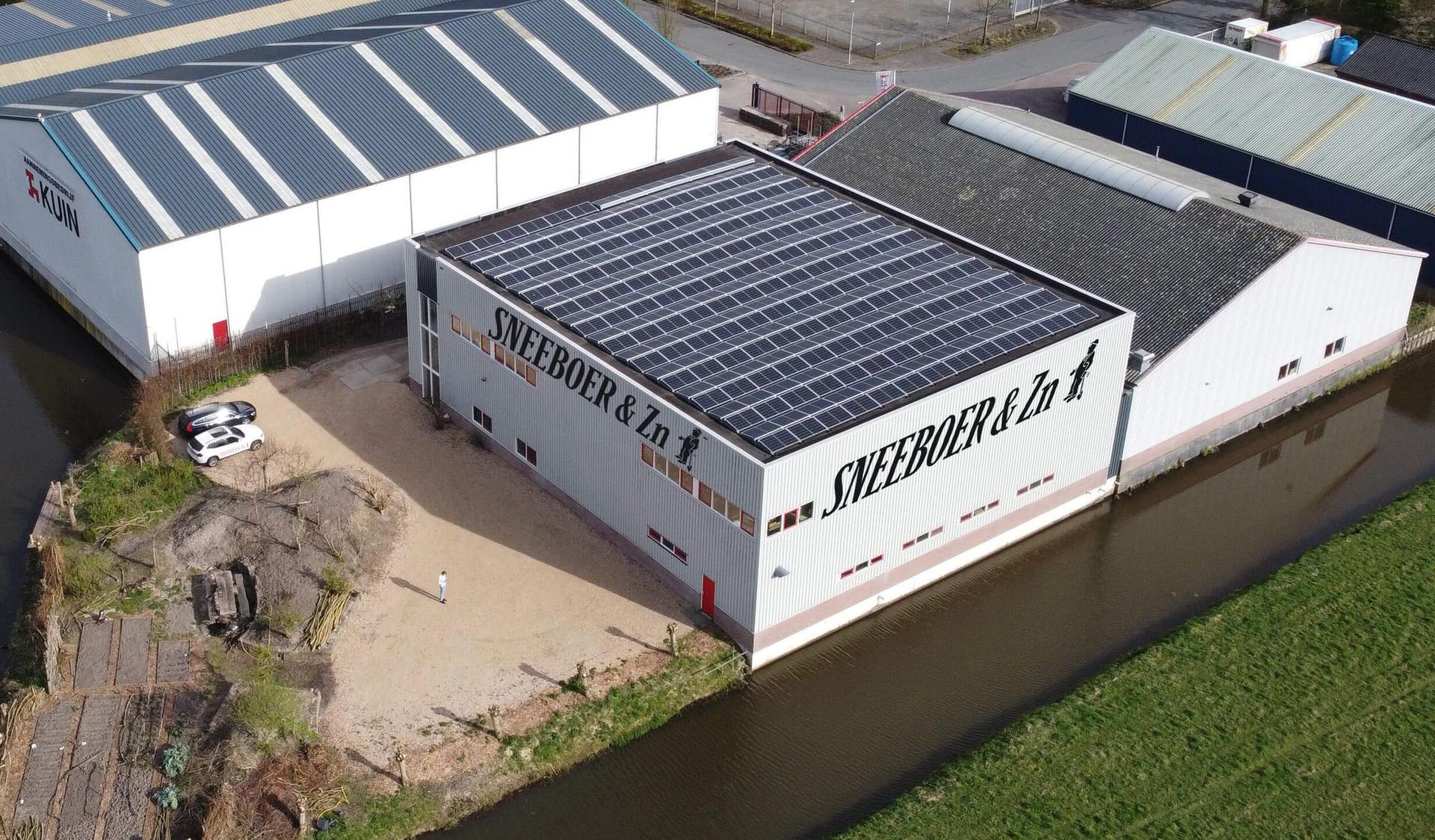
Despite the pandemic, we commissioned over 300 solar panels which are installed on the roof of the new building in July 2020. With these solar panels, we generate more energy than we use in a year, making our production energy-neutral from then on! In 2021, Sjoerd Sneeboer (son of Jaap and Wilma) joined the company and the first measures were taken to reduce the extremely long delivery times. These included a substantial investment in staff, rebuilding the workshop and purchasing new machinery.
In early January 2023, we could finally announce that Laura and Sjoerd had taken over the company from Jaap and Wilma. The completion of the acquisition comes at a memorable moment as Sneeboer will celebrate its 110 year anniversary on the 30th of January 2023! As the fourth generation Sneeboer, Laura, Sjoerd and all the employees strive to produce the well-known Sneeboer tools of the highest quality while upholding the motto of founder Arie Sneeboer “if you are going to do something, make sure you do it right”.
2010 - 2016
Sneeboer becomes "Royal Court Supplier" during our 100 year anniversary and the workshop is expanded again
Read moreRead less
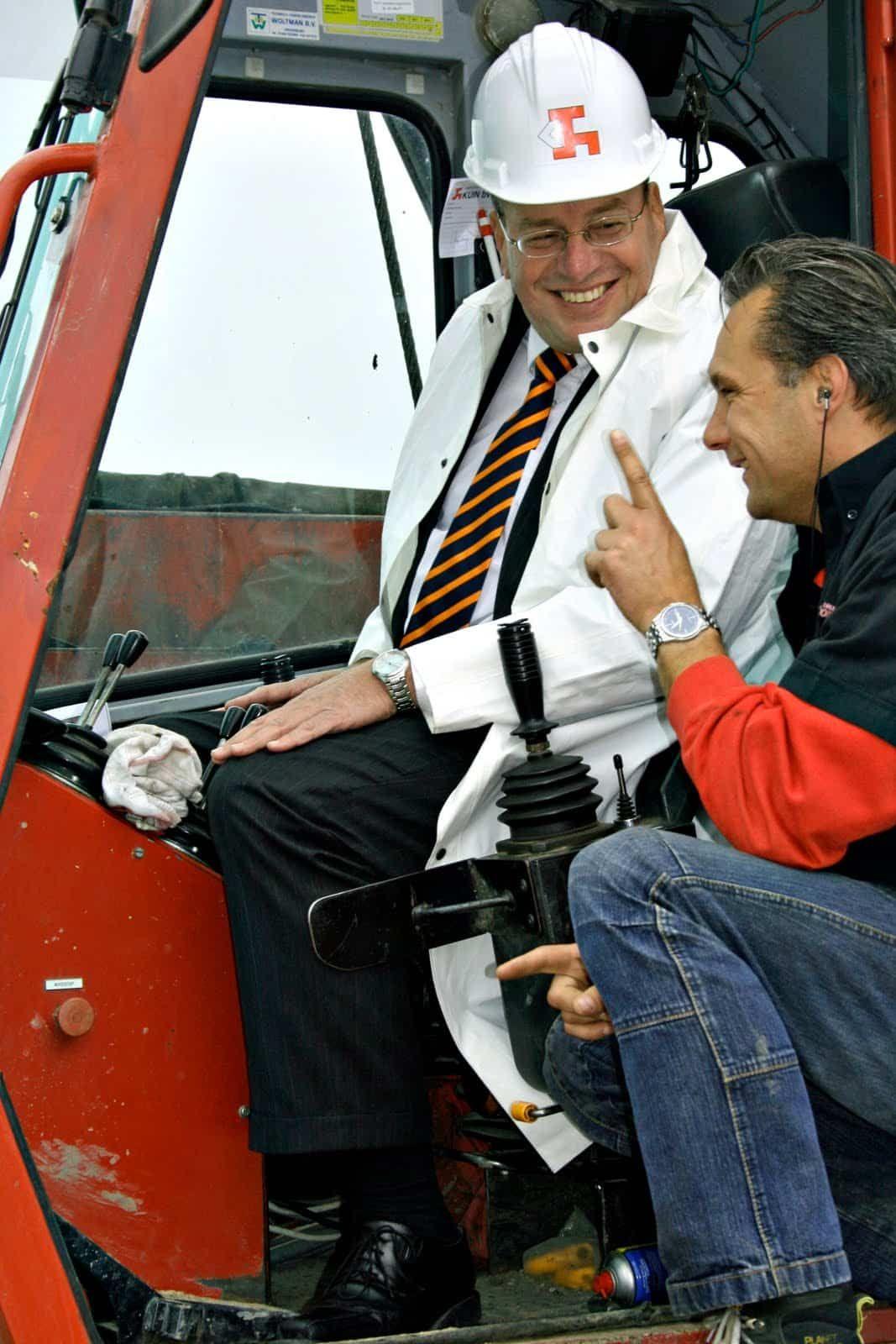
Despite the global financial crisis in 2009, it became apparent that the workshop in Bovenkarspel was becoming too small for all the activities. This workshop was built in 1993 but the addition of many machines meant that every m² was soon occupied. Consequently, the decision was made to to expand and in 2010 the first pile of the expansion was driven into the ground by the Dutch politician Fred Teeven.
During this period, much work was also done to obtain the designation “Purveyor to the Royal Household”. This work was rewarded with approval, as a result of which we have been a “Purveyor to the Royal Household” by “Royal Decree” since 2012, and are therefore also Royal Sneeboer!
Fortunately, the expansion of the workshop was completed in time for us to celebrate our 100th anniversary in 2013! In honor of this celebration and becoming "Purveyor to the Royal Court," Jaap Sneeboer has developed the Royal Dutch Hoe. A very versatile hoe that is widely sold around the world. In addition, Jaap Sneeboer developed the most exclusive garden tool line in the world when he presented his Sneeboer Titanium tool line. These hand tools are made of a special titanium alloy, making them the most exclusive garden tools on the planet!
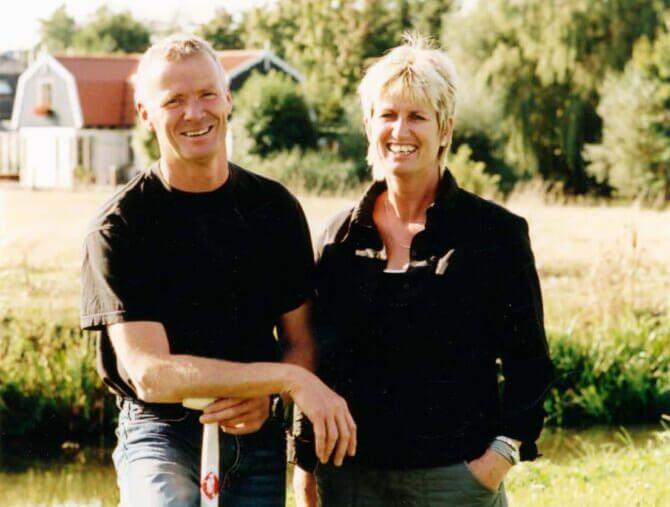
In 2015, Laura Sneeboer (daughter of Jaap and Wilma) decided to join the family business. She supported Wilma with sales and administration and focused on setting up a webshop in 2016 to reach customers directly. Our current webshop is already the second version, building upon the work from 2016. In addition to being a shop, this website serves as a reference guide for customers, where we share all information about Sneeboer and the products we make.
Royal Sneeboer since 2012
1997 - 2009
Production is scaled up and Sneeboer tools are found on more and more European garden shows
Read moreRead less
Production is scaled up and Sneeboer tools are found on more and more European garden shows
In 2001 we were invited by Link Stakes (a producer of stakes to support plants) to join them at the Chelsea Flower Show. After a successful first year, we were part of the Harrod Horticultural stand for almost a decade before we got our first fully Sneeboer dedicated stand in 2012. And in 2023 we will be at Chelsea once more!
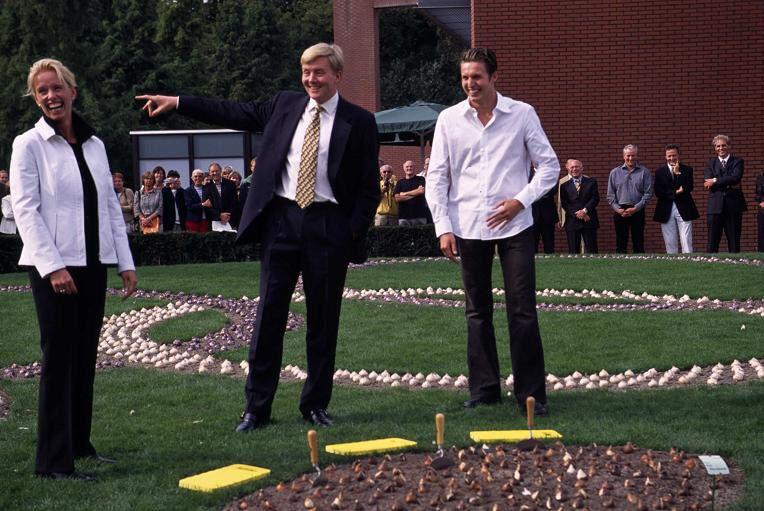
Besides the fairs, we made two special trowels in 2003 with an engraving for the then Prince of the Netherlands Willem Alexander and Olympic Champion swimming Pieter van den Hoogeband. They used these trowels to plant a few bulbs at the Keukenhof to celebrate the launch of bulbs that were named after the Prince. Furthermore, we partnered with the French fashion brand Hermès Paris between 2005 and 2009 to produce three hand tools for their Art of Living department. These Sneeboer hand tools featured a special Hermès Paris nail in the handle.
Even with the global financial crisis looming in 2008 and 2009, it became obvious that the workshop that was built 15 years before was becoming too small for all the orders and so it was time to think about expanding the workshop.
1992 - 1996
The purchase of the Van Driel brand pushes sales and therefore a new workshop has to be built to be able to produce the tools.
Read moreRead less
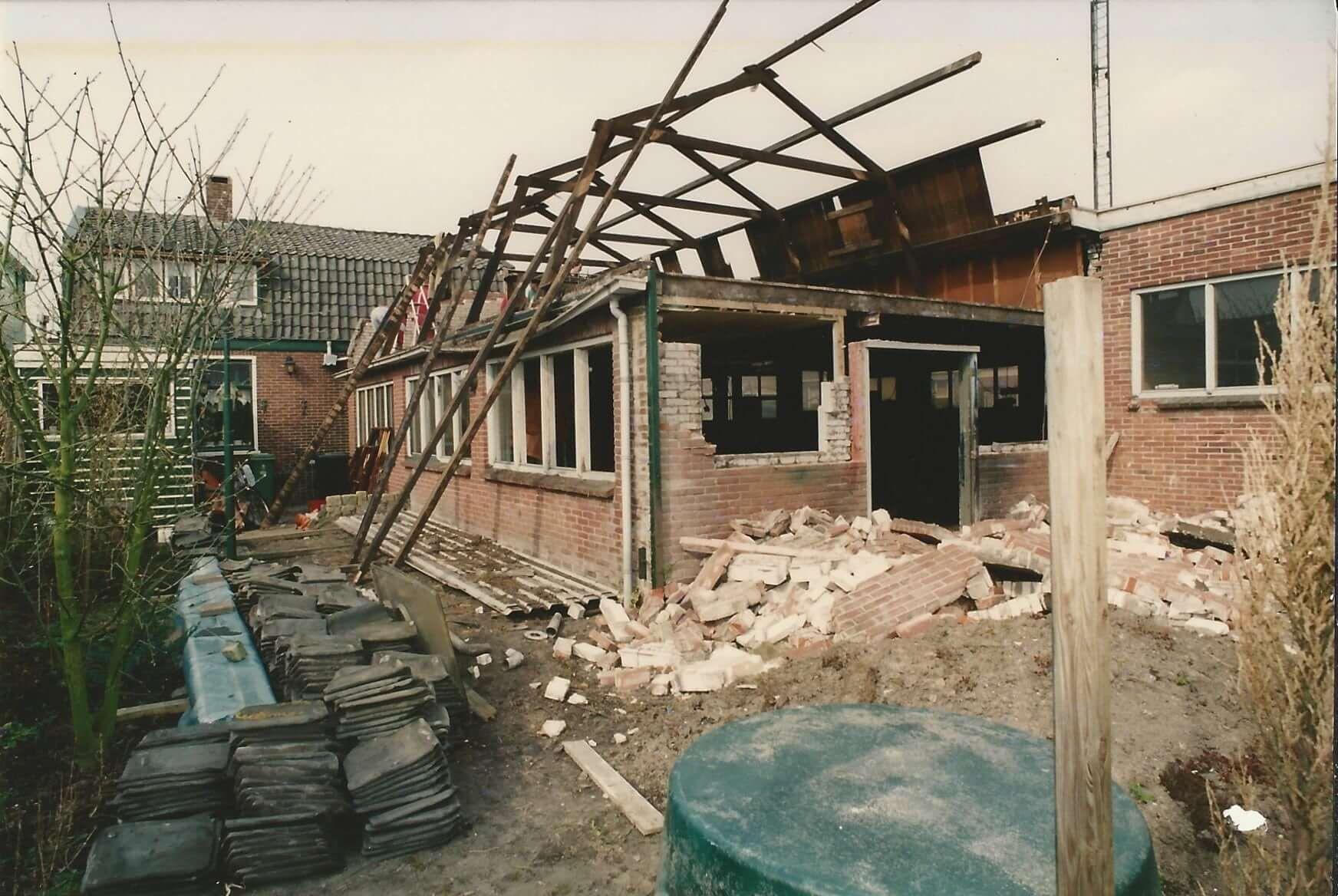
Sales skyrocketed in the early 90s due to Jaap and Wilma taking over the company, the arrival of Frank and Aad Sneeboer and the purchase of the Van Driel brand in the late 1980s. The increase was so large that it was decided to leave the old workshop where tools had been produced since 1913 and to build a new workshop and forge in Bovenkarspel. So in 1992, the foundation stone of the new premises was laid by Paul Sneeboer, son of founder Arie, and Laura and Sjoerd, children of Jaap and Wilma.
In April 1993, it was finally time to move into the new workshop and demolish the old one. The production area increased threefold to a total of 900m². Costs also increased as a result of the new workshop and the move, so times became difficult. To support sales, an additional steel line "Brink" was set up but the focus remained on the stainless steel tools. Since Jaap was fluent in German, he went to nurseries in Germany during this period to sell Sneeboer tools there as well. The first German shop to sell Sneeboer tools was that of Gartenbautechnik Geereking and we still sell tools through this German dealer today!
Innovation did not stand still either, so in 1994 the foundations of a Sneeboer website were scribbled on a note and www.sneeboer.com was established. This period was characterized by months and months of producing tools during the week in order to sell them in the weekends at trade fairs in the Netherlands, Belgium Germany and England. In 1996, a new country and continent was added when Da-Ichi Seeds from Japan wanted to sell Sneeboer tools!
1985 - 1991
A new direction is chosen when Jaap Sneeboer and Wilma Peelen take over the company
Read moreRead less
When Jaap Sneeboer started working at the family business in 1984 things were ripe for a change. For the first time, a brochure was printed in 1985 with self-made black-and-white photos to increase sales and the strengthen the Sneeboer brand. On the 1st of April Jaap Sneeboer and Wilma Peelen bought the company and realized that there was a lot of work to do. The business was regionally focused, had an old smithy, a shop that sold household items and it lacked a proper strategy so it was time to make some drastic changes.
In 1988, Frank Sneeboer was asked to join the company again to take over the blacksmithing work from his uncle Kees Sneeboer and in 1989 the difficult choice was made to stop with the shop as this had almost no relation to the garden tools. To get a foot in the door with the local bulb growers, the Van Driel company from Nieuw Vennep was bought in October 1989. These steel garden tools broadened the range considerably and provided the necessary boost to revenue. Today, Sneeboer still makes Van Driel garden tools which, unlike Sneeboer tools, are made of steel rather than stainless steel. To reinforce the team, Aad Sneeboer (Jaap and Frank's brother) was asked to join the company in 1990 and in that year Sneeboer exhibited their tools for the first time at a local garden fair; the Westfriese Flora!
1975 - 1984
The third generation takes over and the company gets its first big order from a foreign country
Read moreRead less
The ‘70s were rough years for the company and the family Sneeboer. Despite the bad economic outlook, the company managed to survive that period but the growth in sales came to a standstill. In 1980, the two remaining brothers Kees and Paul had been leading the company for 25 years but reinforcements are incoming. It is in that year that the son of Paul, Frank Sneeboer joins the company. Due to decreasing sales, Frank worked for a family owned plumbing business in 1982 for a few years to decrease wage expenses. This plumbing business, also called Sneeboer, was established in 1937 by Jan Sneeboer who was another son of Arie.
Overall, the beginning of the 80’s were a relatively stable period for the company. Stainless steel tools and fireplaces were sold to a regional client base. But in 1984 another son of Arie joined the business. It was in this year that Jaap Sneeboer joined his brother Frank at the family business and saw that improvements had to be made. And in 1984 a large amount of tools are sold abroad when tools worth over 9,000 Dutch guilders are sent to Tasmania!
First big order from a foreign country
1969 - 1975
The global oil crisis leads to many uncertainties, but the company manages to grow anyway
Read moreRead less
The year 1973 was the culmination of the first global oil crisis which would lead to an inflation of 10% in the following two years in the Netherlands. The high inflation led to fears with the three Sneeboer brother Kees, Paul and Teun and their accountant that sales would drop significantly, as it did with different industries in that period. Thankfully, they recognized that there would always be a need for quality products and the company had plenty of orders for stainless steel garden tools and fire places. The three brothers kept true to the values of their father and they kept producing Sneeboer stainless steel garden tools of the best quality. Even with these uncertainties, Sneeboer traded internationally with an order for 6 spades in February 1974 for the UK Ministry of Agriculture.
Besides the oil crisis, land owners started to consolidate their land where they exchanged and sold lots to make the ownership of land more logical. This meant that the a lot of Sneeboer customers left the area and Sneeboer had to find different sources of revenue. In the middle of these issues, Teun Sneeboer passed away on 27 March 1978. The loss of their young brother and business partner meant that the ‘70s were a tough time for the Sneeboer family and company. However, reinforcements were incoming when the third generation were ready to join the company.
1969
Arie Sneeboer passes away on the 15th of September 1969 when he was 83 years old
Read moreRead less
15 September 1969 is a dark page in the history of Sneeboer as the founder of Sneeboer garden tools passes away at 83 after a short illness. He leaves his wife and ten children behind of which three are running the family business. Arie Sneeboer will forever be remembered for his innovative ways and statements. He is known for many but his most known are “I know how to improve” and “Anyone who has ever held a Sneeboer in their hands will never want anything else”.
The current business operations are still run in accordance with Aries values. Producing garden tools of the highest quality is what Sneeboer is still known for today. Besides that, Sneeboer is always looking for new innovative ways and technologies to further improve the production process.
Room for growth: six times more production space
1956 - 1969
Three of Arie’s sons take over the company
Read moreRead less
After the acquisition of the company by Arie’s three sons, a new showroom is purchased as the old store was too small. This new showroom is opened festively on the 11th of June 1959; around 63 years ago! The bigger showroom is a driver for increasing revenue and in 1963 a new building can be purchased to serve as the new blacksmith’s shop where stainless steel garden tools can be produced. The new shop is six times as large as the old shop which was the main production location since 1913.
Production quantities increase steadily in the 1960’s. This is partly due to a an increase of the awareness of the quality tools by the Sneeboer family and partly due to a competitor, firma Windt from Grootebroek, stopping their business. The firma Windt also produced produced garden tools and was located in the same village. All these changes result in more Sneeboer garden tools finding their way into the hands of gardeners in the Dutch province of Noord-Holland.
1951 - 1956
Production and sale of stainless steel garden tools
Read moreRead less
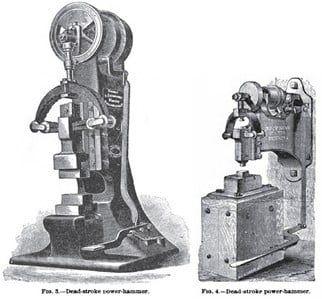
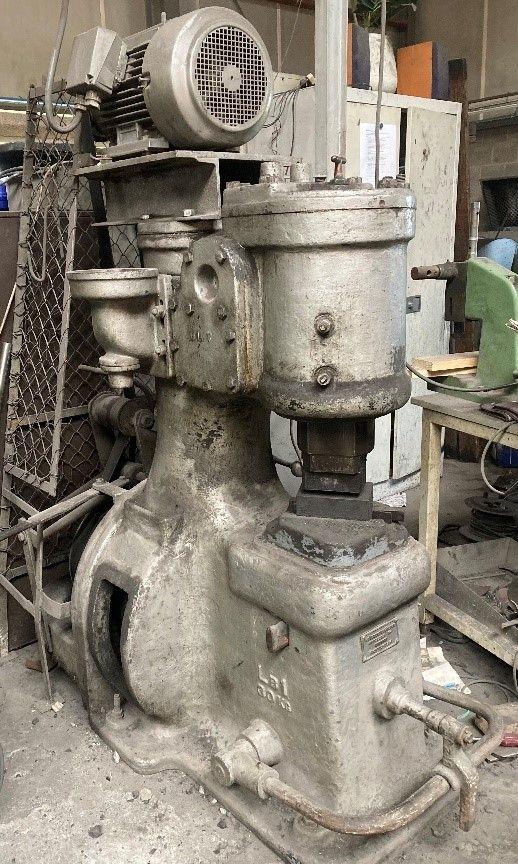
During the 1950’s, the old spring hammer was replaced by an electrically driven powerhammer with a 30kg drop weight. This power hammer is still used to this day by Frank and Teun Sneeboer to resharpen blunt chisels. In this period, the company is moving to the production of tools from stainless steel. The 1956 sales book consists of stainless steel products such as the shovel, hoes, pull hoes, spade, pointed spade and many more aimed at the fruit and vegetable gardeners in West-Friesland in the Netherlands. 66 years later, these tools are still being produced on a daily basis!
It is in this period as well that Arie’s three sons (Kees, Paul and Teun) take over the company. On 31 March 1955, his sons become the second generation Sneeboer to run the family business and they rename the company to Firma A. Sneeboer en Zonen which is still located in Grootebroek. After 40 years, the men still produce tools in the same old, small workshop even though production had increased tremendously since the beginning in 1913. However, there was not a lot of machinery to be found as a report by the labour inspection notes that the shop contains at least six electro motors with a combined power of 5 and ¾ horsepower.
1950
First order of stainless steel plate and welding electrodes
Read moreRead less
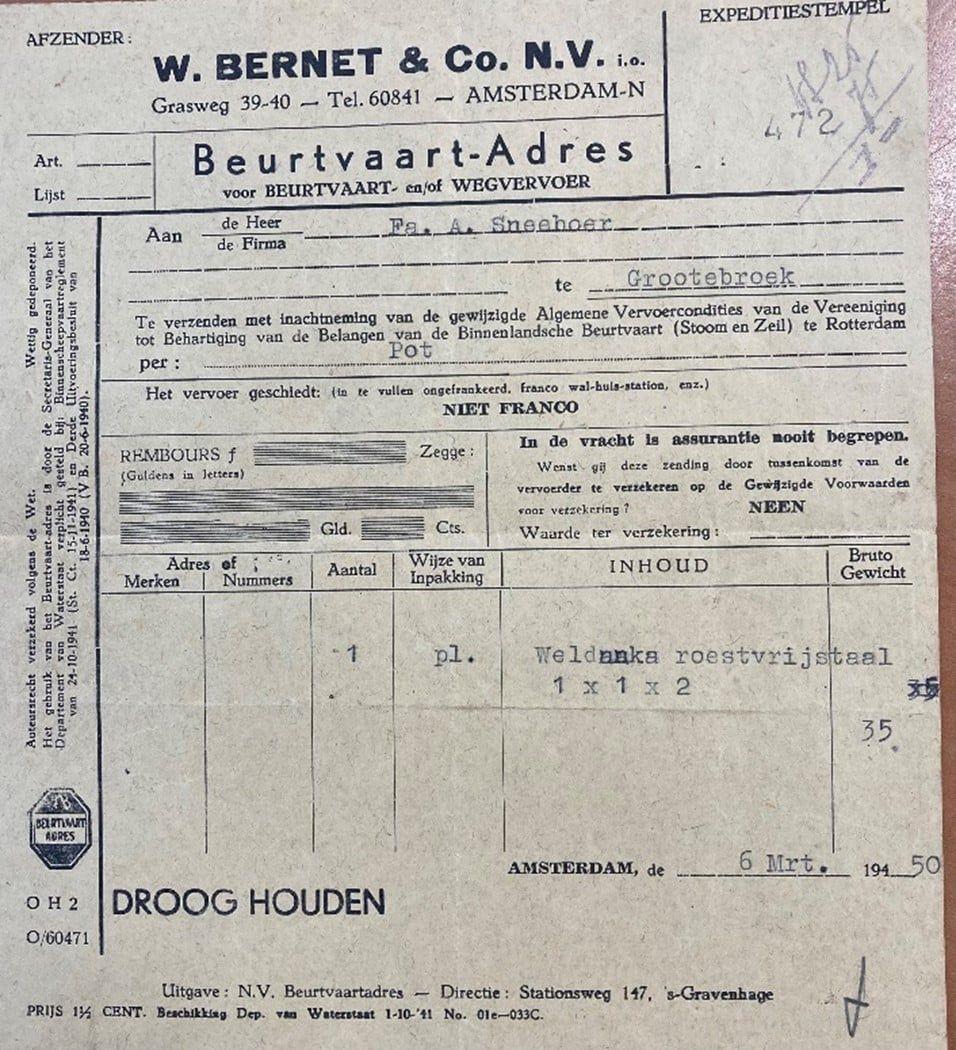
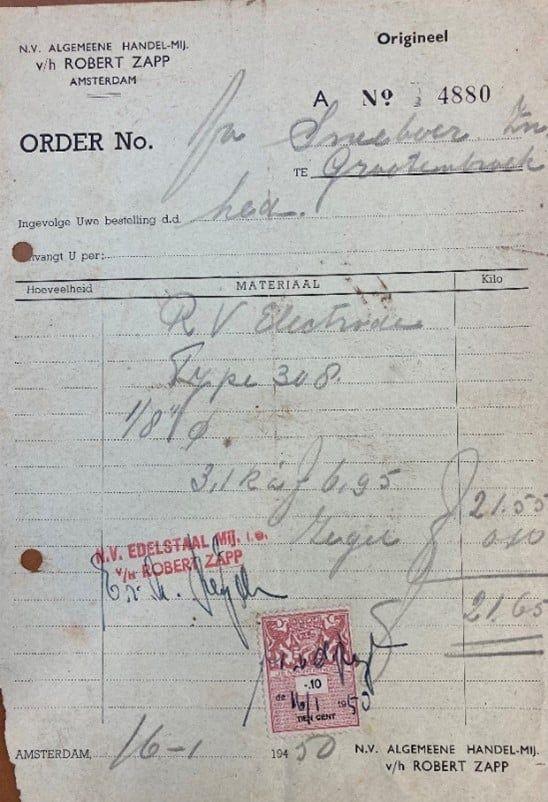
With the end of the second World War, peace has returned to Europe. The war has brought a lot of damage but it has also resulted in more exclusive materials becoming available to the average Joe. This allowed Arie Sneeboer to purchase his first stainless steel welding electrodes in January 1950 and a 1x1m by 2mm thick ‘Weldanka’ stainless steel plate was acquired two months later. Weldanka’ was a stainless steel alloy produced by the Brown, Bayleys Steels Works from Sheffield in the United Kingdom.
Together with his three sons Kees, Paul and Teun, Arie embarked on a new adventure by producing garden tools from stainless steel. As such, we can state with certainty that Sneeboer innovated with new materials as early as 1950 when the first stainless steel garden tools were produced.
The main advantage of stainless steel is that it, in the worst case, will develop a slight oxide layer which in turn products the rest of the material below this layer from further oxidation or rust. Steel on the other hand, lacks the chemical components for this oxide layer and will corrode further. Given enough time, steel can rust away completely.
1920 - 1949
Interwar period
Read moreRead less
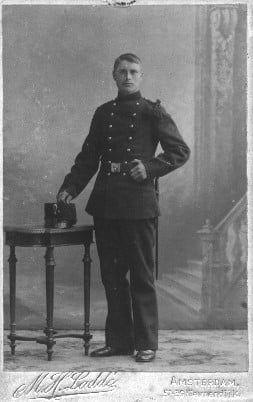
We continue with the history of Sneeboer from the moment that founder Arie Sneeboer was discharged from the Dutch armed forces at the end of the first world war. After his discharge on the 1st of August 1919, he returns from his station in Den Helder to his blacksmith’s shop in Grootebroek. Sadly, the next 30 years are not very well documented. We know that Arie had 10 children with his wife Anna Sneeboer-Grooteman of which three join their father at his company.
In 1948, a short film was made showing some of the production processes and techniques that were used to create garden tools and other items you could expect from a local blacksmith in that period. You can watch that video on our YouTube channel. One positive effect of the second World War was that former exclusive materials became cheaper and more readily available, such as stainless steel. And this is the material that has made Sneeboer garden tools as famous and of high quality as we still know it today!
1914 - 1919
Arie serves as a Gunner in the Dutch Army in the First World War
Read moreRead less
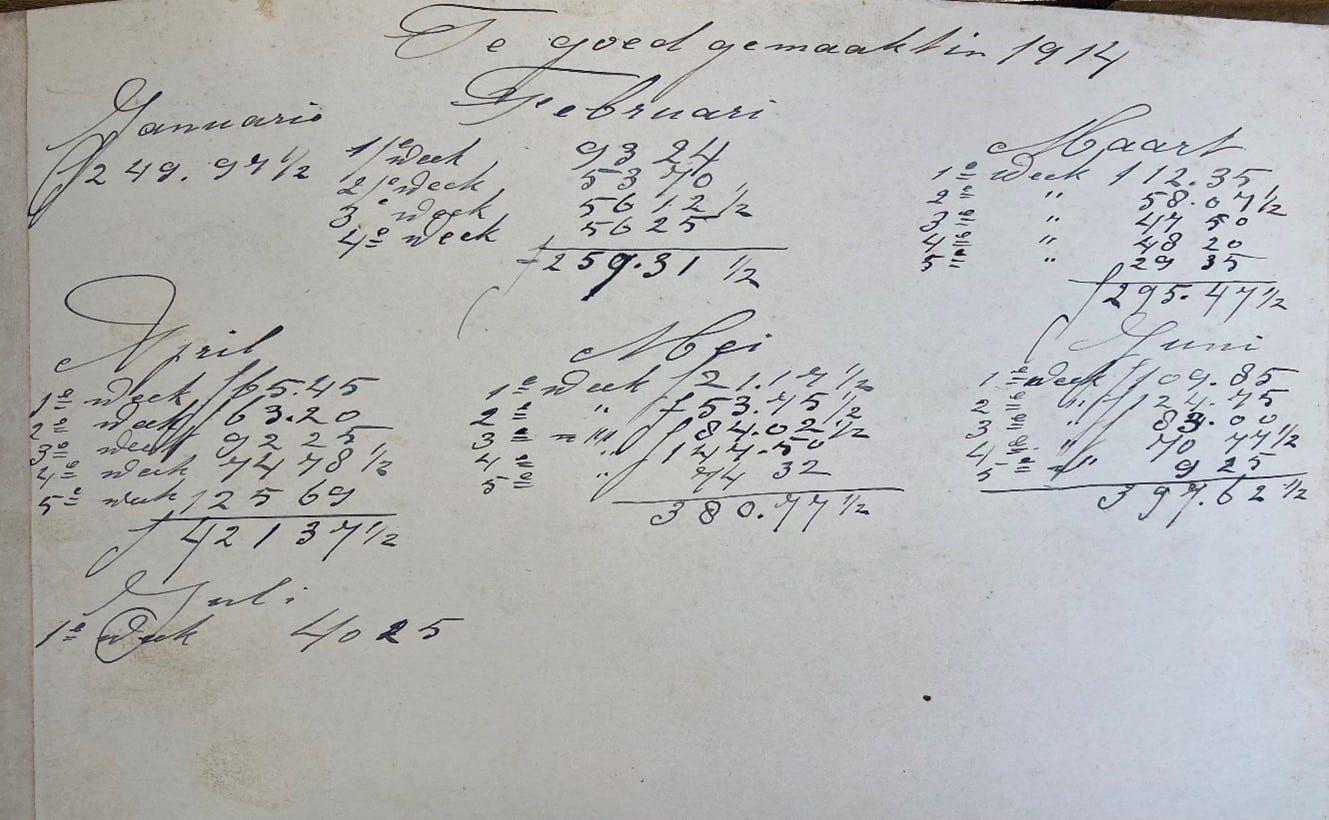
Since Arie was able to make an alloy that was stronger than that of his competitors, his first year in business was a big success. Besides garden tools, he also sold semi-finished products to other blacksmiths in the area. By selling this product mix, he was able to buy and construct a new blacksmith’s shop, house and showroom in 1913 with a total cost of 4,000 Dutch guilders. The accounting in his books suddenly stop in June 1914 as the first World War begins when Prince Frans Ferdinand of the Austro-Hungarian empire is assassinated. Arie is called to arms en serves in the Dutch army as a gunner in Den Helder during the entire span of the World War. He is discharged from service on the first of August 1919 as a result of the end of the conflict.
1913
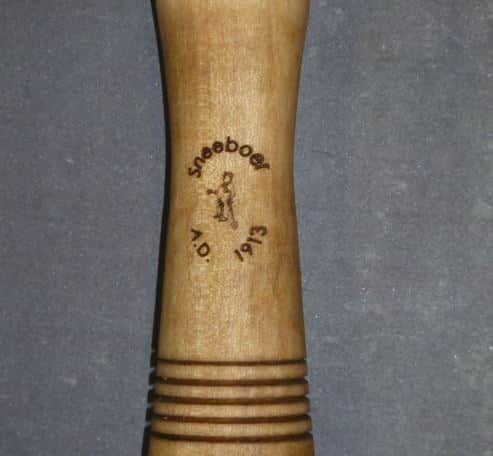
On the 30th of January 1913 Sneeboer is established by Arie Sneeboer
Read moreRead less
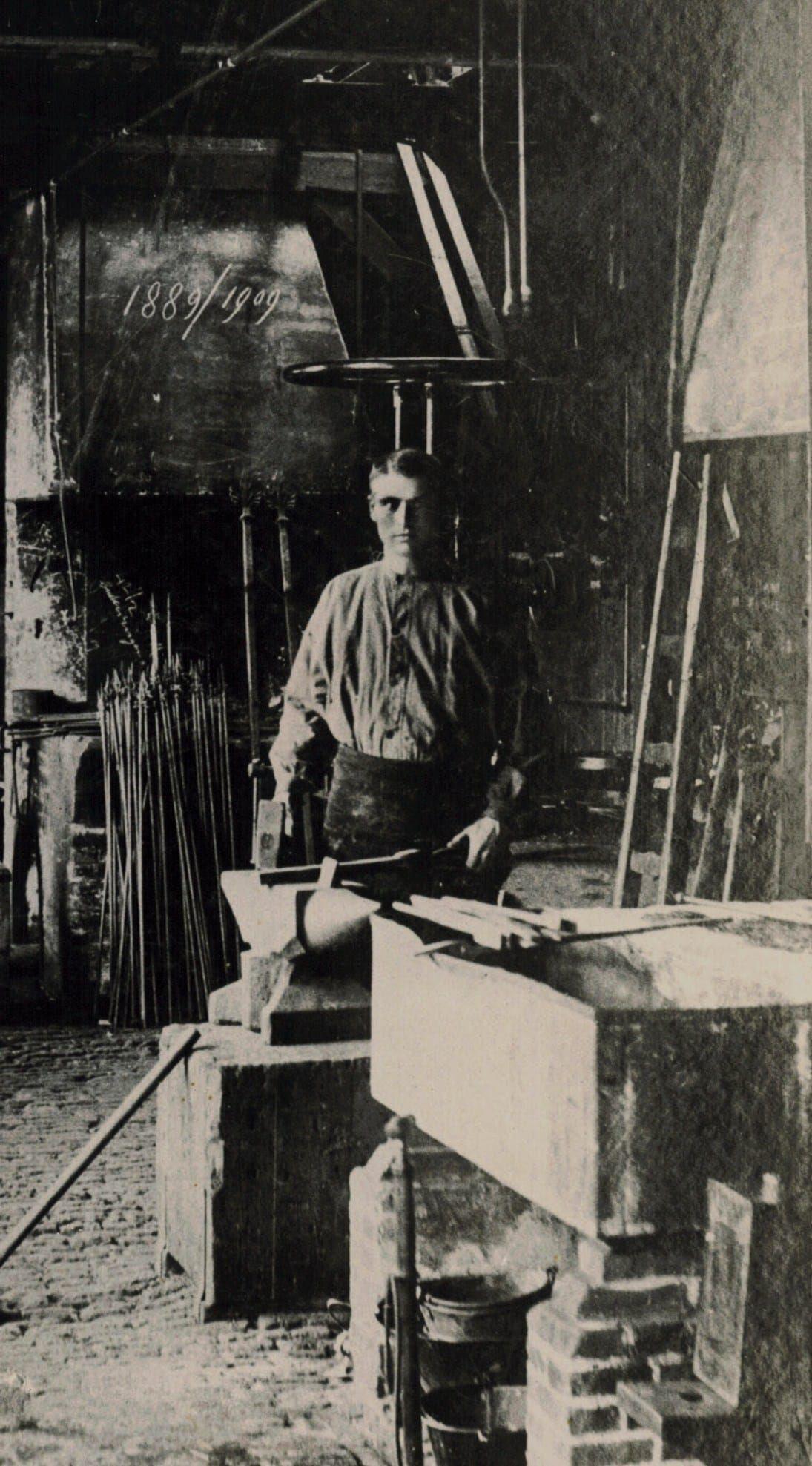
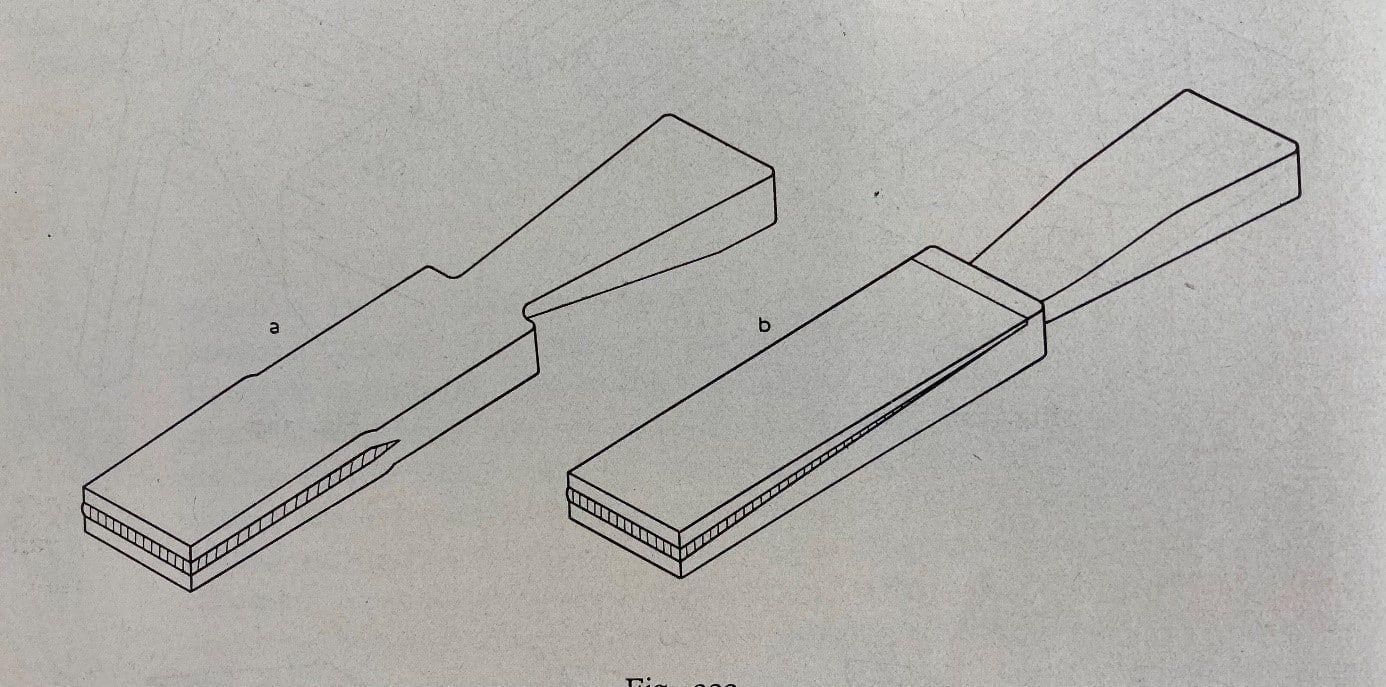
110 years ago, our company was established by Arie Sneeboer in 1913 with the name “A.J. Sneeboer”. From that moment, the name Sneeboer became intrinsically linked to garden tools of the highest quality. During that period, two types of iron were available which could be used to create tools; steel and wrought iron. The first was too hard to be used purely for tools and the second was too soft. During his apprenticeship, Arie had learned how to ‘’unzip’’ a strip of wrought iron and to fill gap in the middle with steel which would be forge welded together to form a well-balanced alloy. However, this method was very labor and time intensive and Arie knew there had to be a better way.
Therefore Arie used a different and easier method in his own blacksmiths’ shop. By sandwiching a strip of steel between two separate strips of wrought iron he was able to produce an alloy (and therefore garden tools) which was not only stronger than that of his teachers but that also took a lot less time to produce. Even in the beginning of the 20th century, innovation was at the heart of Sneeboer! This was also the period when Arie became famous for his personal motto: “I know how to improve”
1886 - 1912
Founder Arie Sneeboer is born on the 25h of January 1886
Read moreRead less
The birth of A.J. Sneeboer on the 25th of January 1886 marked the beginning of the Sneeboer legacy as we know it today. Arie (his nickname) was born during the Great Depression, which was characterized by a big exodus of people from the countryside to find a better life in the city. Arie, as stubborn as he was and as many Sneeboer family members still are, traveled in the opposite direction from the city of Amsterdam to the small village named Grootebroek. It was in this village that he bought a plot of land on 16 December 1912 situated on the Snoeckstraat. On this plot of land he built his first workshop (including a spring power hammer) and home and when it was finished he established his company on 30 January 1913: a blacksmith’s shop by the name “A.J. Sneeboer”.