


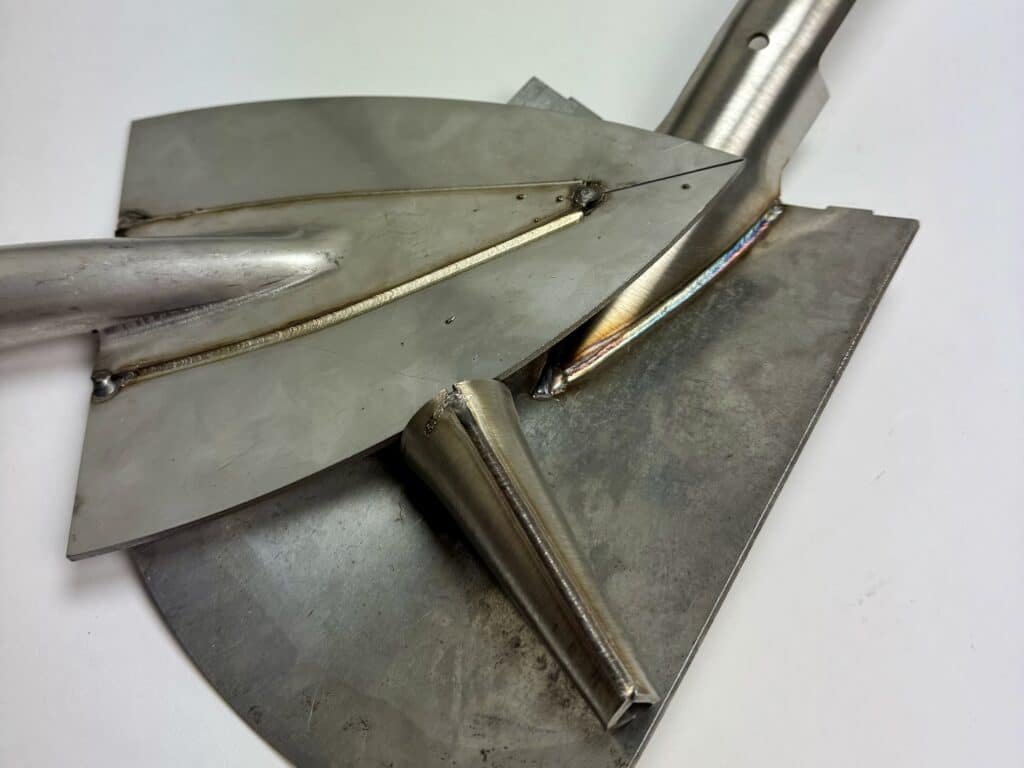
At Sneeboer, we are always looking for ways to improve our production processes and reduce our environmental footprint. One of the most important areas where we have recently made significant progress is the welding process. Although traditional welding methods such as MIG/MAG and electrode welding have been used successfully for decades, the emergence of laser welding offers unparalleled advantages in terms of speed, precision, and sustainability. In this article, we compare these welding methods and show why laser welding is the future of sustainable manufacturing at Sneeboer.
Traditional welding methods: MIG/MAG and electrode welding
MIG (Metal Inert Gas) and MAG (Metal Active Gas) welding have been reliable choices in metalworking for many years. These methods use a continuous wire as the electrode, combined with a shielding gas that protects the molten pool from oxidation. Electrode welding, also known as shielded metal arc welding, uses a rod electrode that melts and forms a protective slag during welding.
Although these methods are known for their versatility and relatively simple learning curve, they also have limitations. The welding speed is limited, and the quality of the weld can vary depending on the welder’s skill level. Furthermore, the final product often requires extensive post-welding processing, such as removing slag and spatter, to achieve a smooth and aesthetically pleasing finish.
The Benefits of Laser Welding
Laser welding offers numerous advantages that far exceed those of traditional welding methods. This technique uses a concentrated beam of light to melt and join materials, resulting in an extremely precise and strong weld. Laser welding is particularly well-suited for thin materials and precision work.
- Sustainability: One of the greatest advantages of laser welding is its sustainability. According to research by Fraunhofer ILT, laser welding is one of the most energy-efficient welding methods currently available. The process requires less energy than traditional methods and is faster, resulting in a significant reduction in CO2 emissions and a smaller environmental footprint.
- Less Post-Processing: Laser welding produces a nearly perfect weld, drastically reducing the need for post-processing. This not only saves time and money, but also minimizes the use of additional materials and tools, contributing to a more sustainable manufacturing process.
- Fast Learning Curve: Another major advantage of laser welding is the simplicity of the learning process. With the right training, new welders can produce high-quality, consistent welds in as little as one day. This enables Sneeboer to quickly train new welders, which increases our production capacity and helps us meet growing demand.
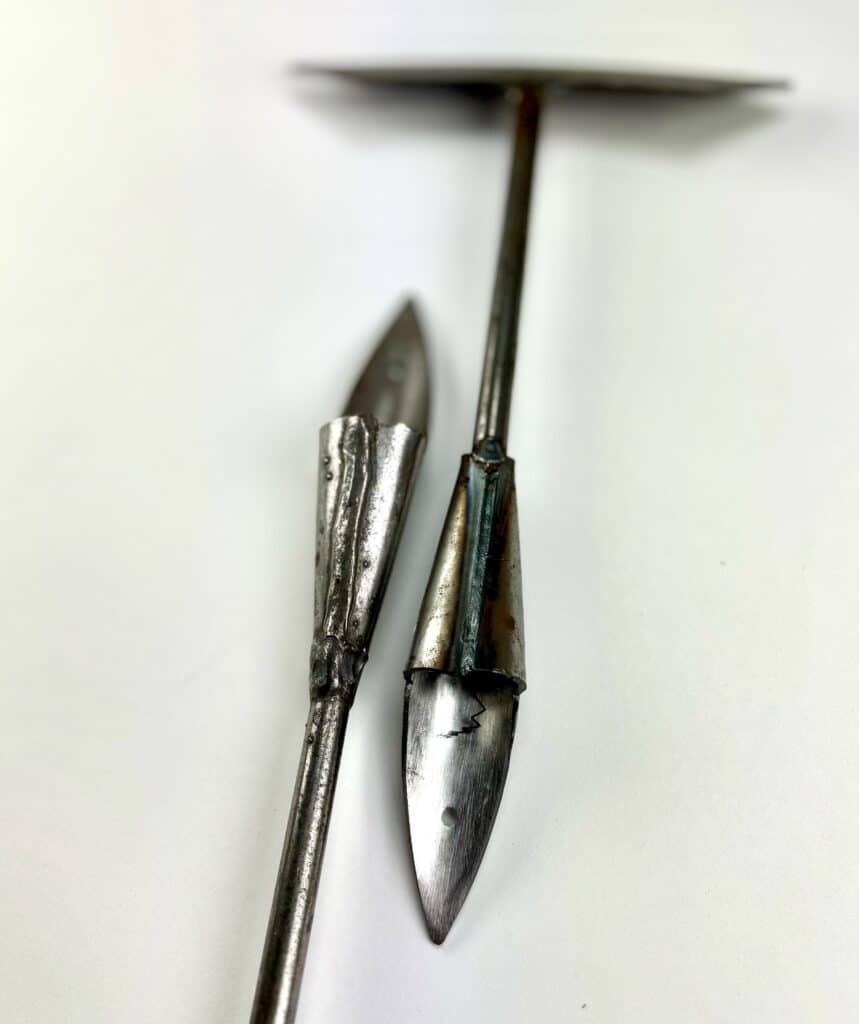
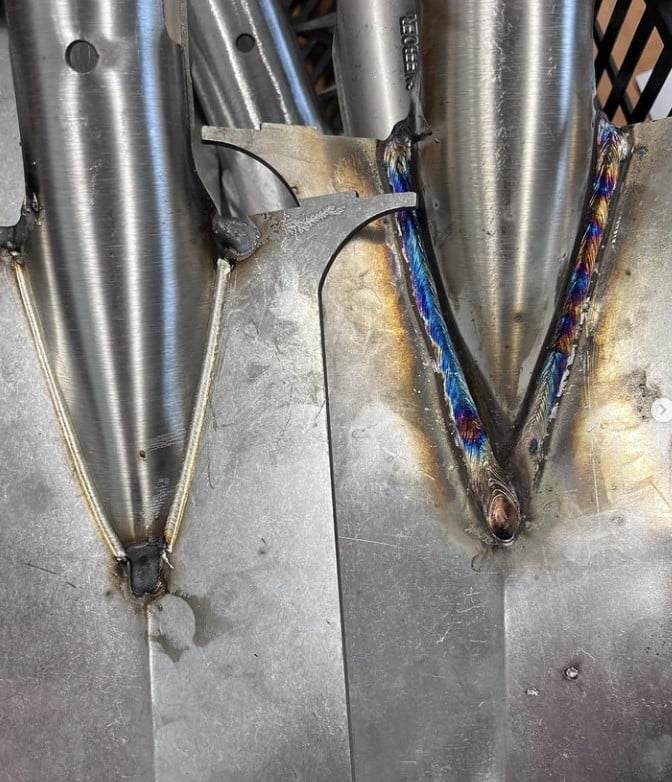
Innovation at Sneeboer Since 1913
At Sneeboer, innovation is in our DNA. Since our founding in 1913, we have continually pushed the boundaries of technology and craftsmanship to create high-quality garden tools and products that are valued worldwide. The introduction of laser welding into our production processes marks another step forward in our ongoing journey toward innovation and sustainability. It is a perfect example of how, at Sneeboer, we always strive for improvement and perfection in everything we do.
At Sneeboer, we continue to seek innovative ways to optimize our production processes and reduce our environmental impact. The switch to laser welding allows us to operate more sustainably by reducing energy consumption, minimizing the need for post-processing, and shortening the training time for new welders. By investing in laser welding technology, we are not only increasing our production efficiency but also reinforcing our commitment to sustainability. We are convinced that laser welding is the future of sustainable metalworking, and we are proud to integrate this advanced technology into our production processes at Sneeboer.