


De herfst is het seizoen van vallende bladeren, maar wist je dat het tijdig harken van die bladeren essentieel is voor de gezondheid van je tuin? In dit artikel leggen we uit waarom bladharken niet alleen goed is voor het uiterlijk van je tuin, maar ook voor de bescherming van je gras en planten tegen schimmel en ongedierte. Daarnaast bespreken we hoe je de bladeren kunt hergebruiken als mulch of compost, en welke harken van Sneeboer ideaal zijn voor deze taak. Door op tijd te harken en gebruik te maken van de juiste gereedschappen, houd je je tuin niet alleen netjes, maar zorg je ook voor een gezonde bodem en een vruchtbaar groeiseizoen.
Waarom moet je op tijd bladharken?
Bladharken is een klus die veel tuiniers misschien uitstellen, maar dat kan nadelige gevolgen hebben voor je tuin. Wanneer bladeren op het gazon blijven liggen, beginnen ze al snel samen te klonteren, vooral na regen. Deze dikke laag bladeren blokkeert het zonlicht en de luchtcirculatie, waardoor het gras eronder geen kans krijgt om te ademen. Dit gebrek aan licht en lucht kan leiden tot schimmelvorming, gele plekken en uiteindelijk het afsterven van het gras.
Daarnaast vormen natte bladeren een perfecte voedingsbodem voor schimmels en ziekten die zich door je tuin kunnen verspreiden. Je zult in de lente merken dat er kale plekken of zelfs zieke planten zijn ontstaan, simpelweg doordat de bladeren in de herfst niet op tijd zijn verwijderd.
Ook op je tuinpaden kunnen natte bladeren gevaarlijk worden, omdat ze glad zijn en uitglijden kunnen veroorzaken. Dit maakt het niet alleen een kwestie van tuinonderhoud, maar ook van veiligheid.
Naast de schade aan je gazon en de veiligheid, zijn gevallen bladeren ook een uitstekende schuilplaats voor allerlei soorten ongedierte, zoals slakken, insecten en knaagdieren. Deze plagen kunnen overwinteren in de dikke laag bladeren en in het voorjaar voor flinke overlast zorgen in je tuin. Door op tijd te harken, voorkom je dat deze ongewenste gasten zich in je tuin nestelen.
Wat kun je doen met gevallen bladeren?
Bladeren die je van je gazon hebt geharkt, zijn geen afval. Integendeel, ze zijn een waardevolle bron van voedingsstoffen voor je tuin. Er zijn twee uitstekende manieren om gevallen bladeren te hergebruiken: als compost of als mulch.
Composteren van bladeren
Bladeren zijn rijk aan koolstof, een essentieel onderdeel van een goed gebalanceerde composthoop. Door de bladeren te mengen met stikstofrijk materiaal zoals grasresten of keukenafval, creëer je een compost die je later kunt gebruiken om de bodem in je tuin te verbeteren. Compost zorgt ervoor dat de bodem structuur krijgt en het vasthouden van vocht wordt verbeterd. Ook stimuleert compost de groei van gezonde planten door voedingsstoffen geleidelijk vrij te geven.
Het composteren van bladeren vergt geduld, omdat het enkele maanden tot een jaar kan duren voordat de bladeren volledig zijn afgebroken. Dit proces kan worden versneld door de bladeren eerst klein te maken, bijvoorbeeld door er met een grasmaaier overheen te gaan. Zo verteert het materiaal sneller en kun je de compost eerder gebruiken.
Gebruik van bladeren als mulch
Een andere manier om gevallen bladeren te benutten is door ze als mulch te gebruiken. Mulch is een beschermende laag organisch materiaal die je over de bodem aanbrengt. Het helpt de grond vochtig te houden, vermindert de groei van onkruid en beschermt de wortels van planten tegen extreme temperaturen, zowel in de zomer als in de winter.
Het mooie van bladeren als mulch is dat ze na verloop van tijd langzaam afbreken en hun voedingsstoffen vrijgeven aan de bodem. Dit zorgt voor een vruchtbare grond die de groei van planten stimuleert. Door een dunne laag geharkte bladeren rond bomen, struiken en in borders te verspreiden, kun je optimaal gebruikmaken van deze natuurlijke hulpbron.
Op tijd bladharken
De timing van het bladharken is cruciaal. Hoewel het verleidelijk kan zijn om te wachten tot alle bladeren van de bomen zijn gevallen, is het beter om regelmatig kleine hoeveelheden bladeren te harken, in plaats van te wachten tot het gazon volledig bedekt is. Hierdoor voorkom je dat het gras verstikt of dat er schimmelvorming ontstaat door een opeenhoping van natte bladeren. Begin dus met harken zodra de eerste bladeren beginnen te vallen, en herhaal dit proces meerdere keren in het seizoen.
Welke bladharken van Sneeboer helpen je bij het bladharken?
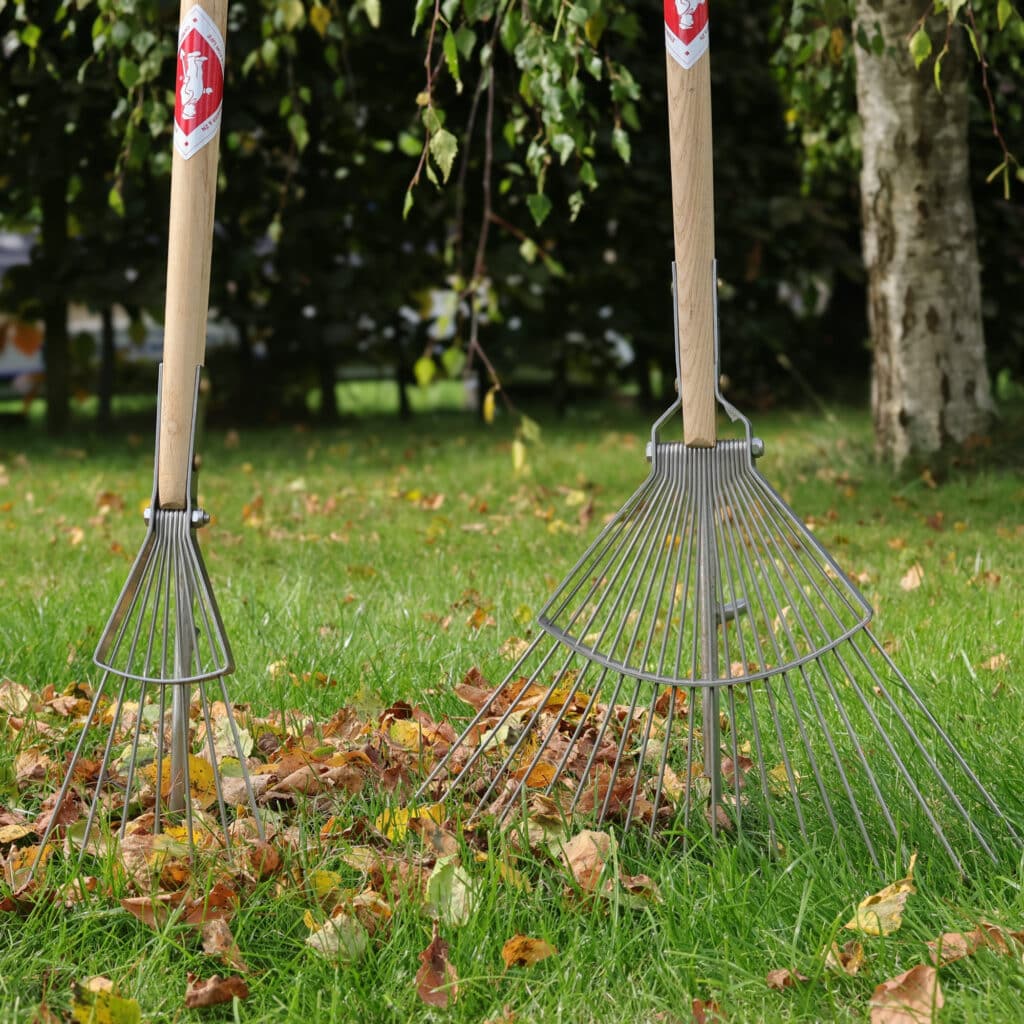
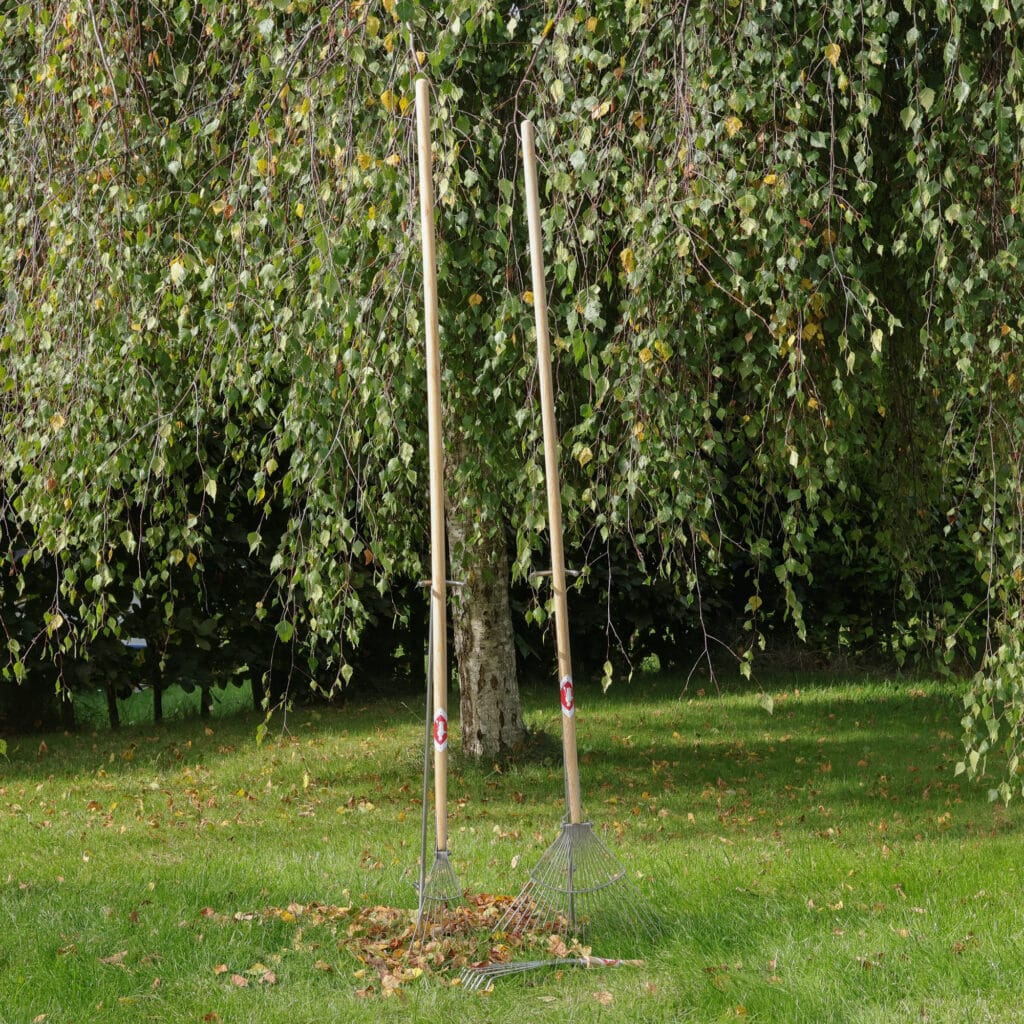
Sneeboer biedt een assortiment van hoogwaardige bladharken die speciaal zijn ontworpen om het harken van bladeren zo efficiënt en gemakkelijk mogelijk te maken. Elk van deze harken heeft zijn eigen unieke voordelen, afhankelijk van de grootte en de behoeften van je tuin.
1. Bladhark met 20 Tanden en Lange Steel
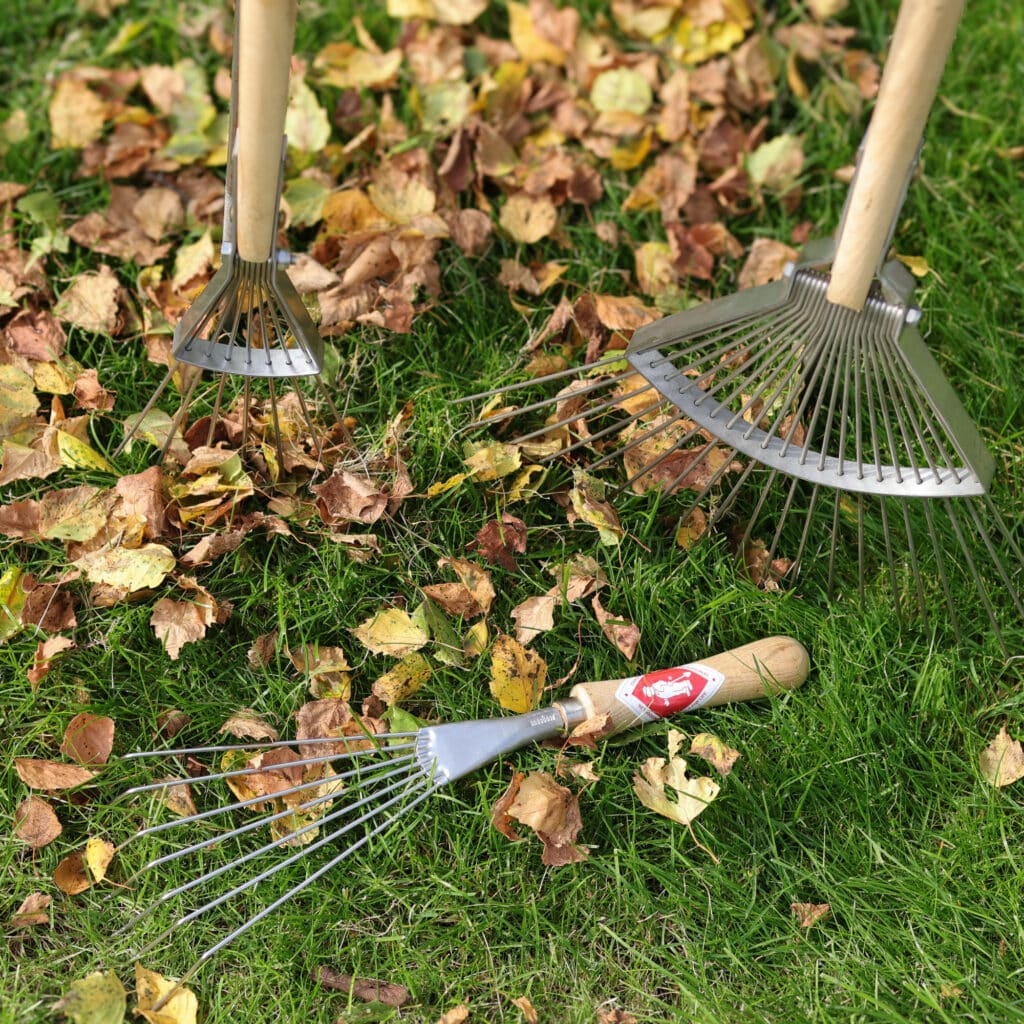
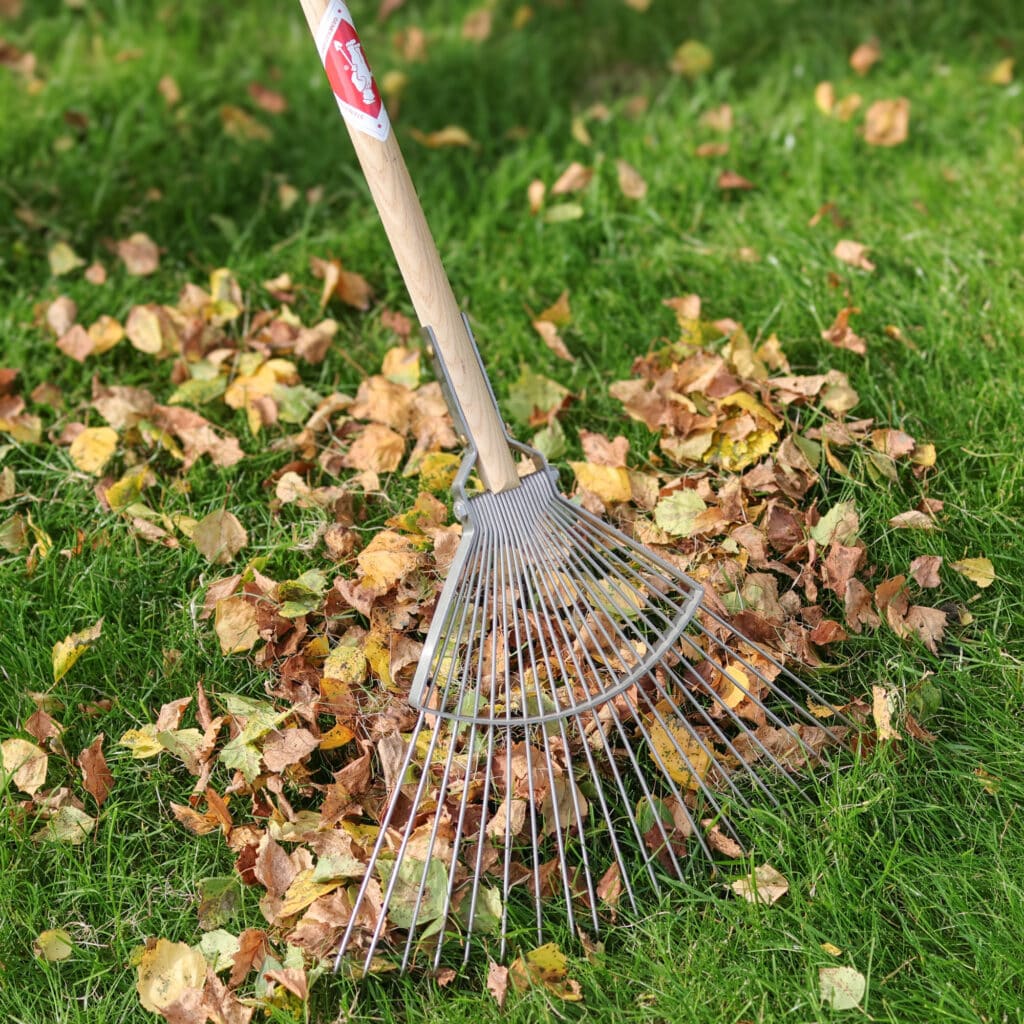
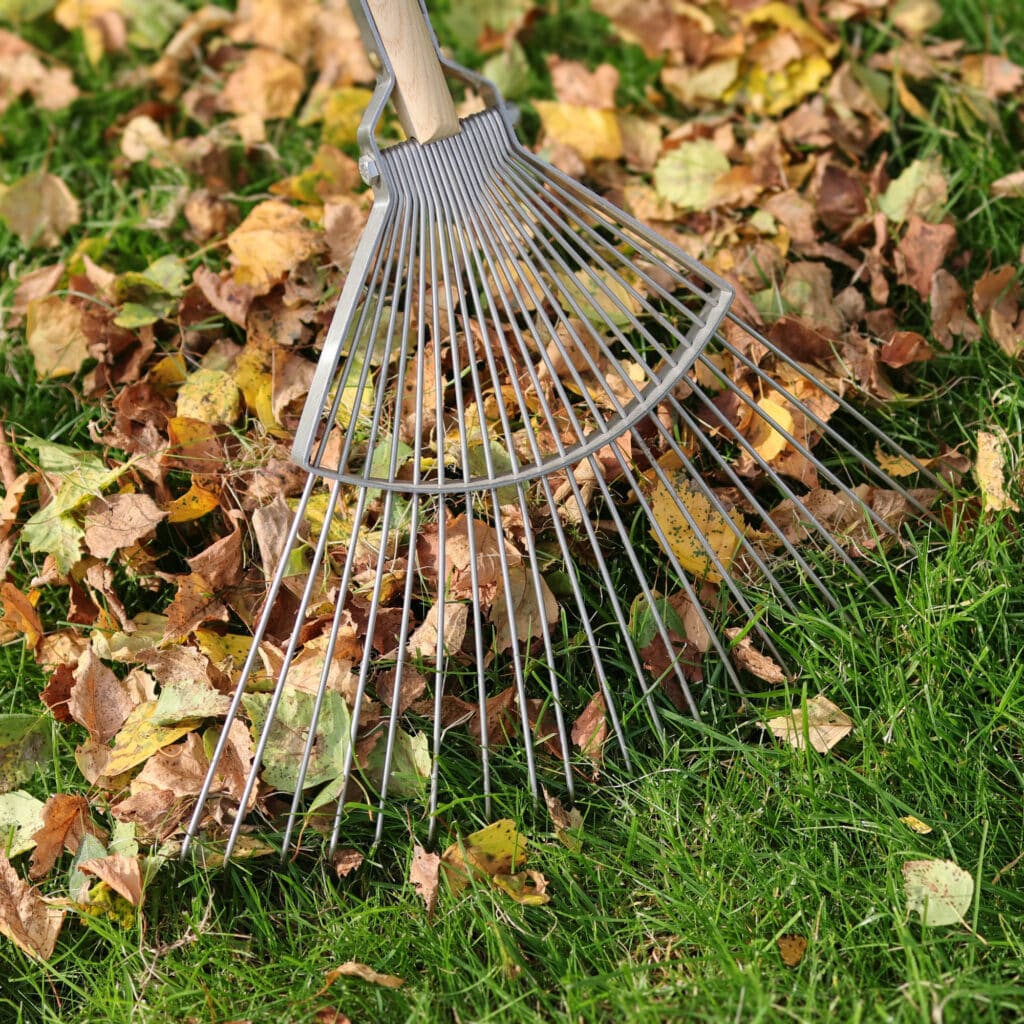
Deze bladhark is perfect voor het harken van grote oppervlakken, zoals gazons. De 20 flexibele tanden passen zich aan het oppervlak aan, waardoor je grote hoeveelheden bladeren kunt verzamelen zonder het gras te beschadigen. De lange steel zorgt ervoor dat je een comfortabele werkhouding hebt, zodat je zonder moeite lange tijd kunt harken.
2. Bladhark met 7 Tanden en Lange Steel
Heb je kleinere oppervlakken of werk je in borders? Dan is de bladhark met 7 tanden een uitstekende keuze. Deze hark is ontworpen voor meer precisie en flexibiliteit. Door de kleinere kop kun je nauwkeuriger werken en bladeren verzamelen zonder de planten te beschadigen. Ideaal voor het harken van bladeren tussen struiken of rondom bloemen.
3. Handbladhark met 7 Tanden
Voor het fijnere werk in kleinere, lastig te bereiken hoekjes is er de handbladhark met 7 tanden. Deze compacte hark is ideaal voor het harken van bladeren uit bloembedden of tussen kwetsbare planten. Met zijn korte steel en smalle tanden biedt deze hark maximale controle en precisie, zodat je zelfs op moeilijk bereikbare plekken efficiënt kunt harken.
Op tijd bladharken is essentieel voor het behoud van een gezonde tuin. Door bladeren te verwijderen voordat ze schade kunnen aanrichten aan je gazon of planten, voorkom je problemen zoals schimmel, ongedierte en verstikking van het gras. De gevallen bladeren hoef je niet weg te gooien, want ze zijn een waardevolle bron voor compost en mulch, wat je tuin in het voorjaar een gezonde start geeft.
Met de juiste bladhark van Sneeboer wordt het werk niet alleen makkelijker, maar ook effectiever. Of je nu een groot gazon hebt of juist kleine borders, Sneeboer heeft een bladhark die perfect aansluit bij jouw behoeften. Dus wacht niet te lang en begin op tijd met bladharken om je tuin in topconditie te houden.