


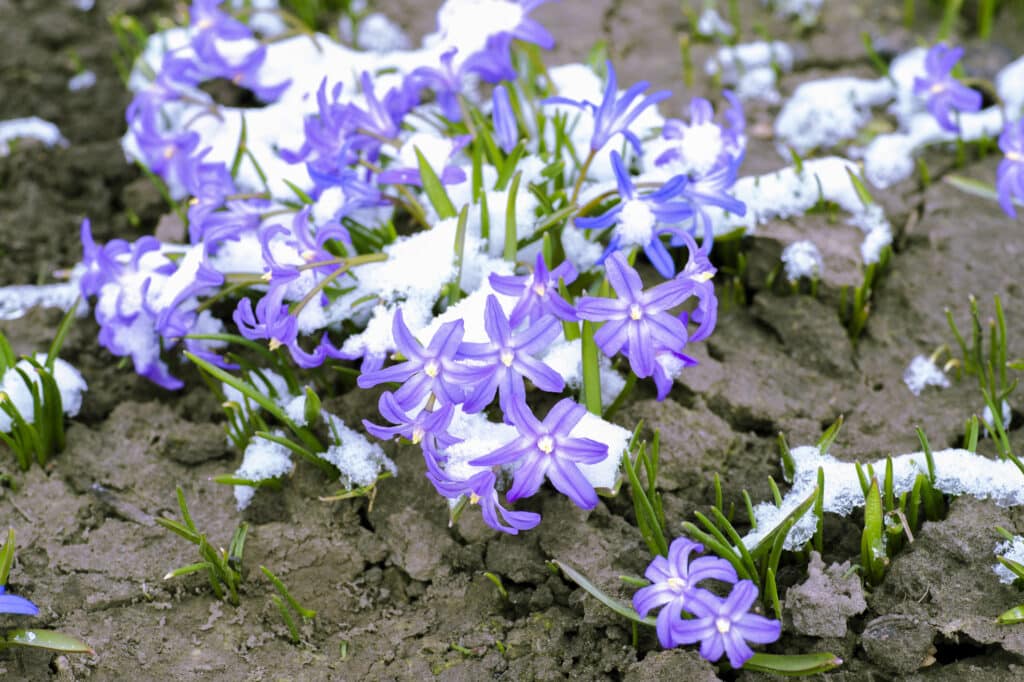
Fall is the ideal time to transplant perennials so they’re protected going into winter and will bloom profusely again in the spring. By carefully moving your plants to a better spot in the garden, you’ll ensure they’re better able to withstand frost and poor drainage. This article provides fall gardening tips on which perennials are best to move, where to place them for the winter, and how to do this efficiently with the right gardening tools from Sneeboer. This way, you can optimally prepare your garden for the cold months.
Which perennials should I move, and which ones should I leave where they are?
Not all perennials have the same needs in the winter. Some varieties are quite tolerant of low temperatures, while others are more sensitive and thrive better in a sheltered spot.
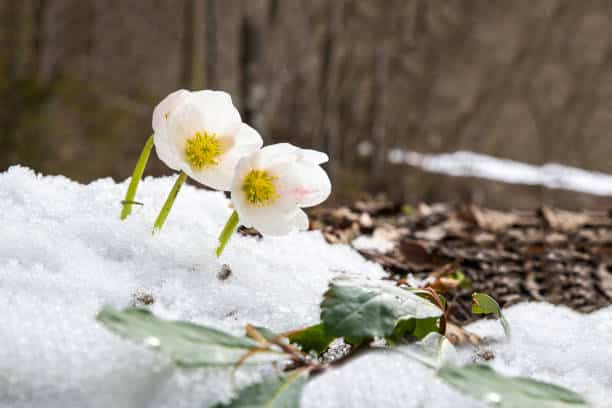
Hardy plants such as hellebores and ornamental grasses can easily be left in place. These plants often have deep roots and sturdy structures that protect them from cold temperatures and winter conditions. Ornamental grasses also absorb extra moisture, which can be helpful during droughts, and their roots penetrate deep into the soil, increasing their chances of survival in the winter.
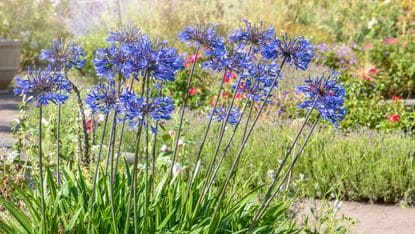
On the other hand, less hardy varieties require more attention. Agapanthus, dahlias, and young perennials that haven’t yet established deep roots may benefit from being moved. They need a sheltered location to prevent frost from damaging their roots. Plants currently in a spot with poorly draining soil—such as in wet areas of the garden—should also be moved to a drier spot. Wet roots can rot, and that’s exactly what you want to avoid in the winter.
The best place for transplanted perennials
When moving perennials, it’s important to choose a spot that offers protection from the winter elements. A sheltered spot out of the wind, such as against a south-facing wall, is ideal. Here, plants benefit from the heat that the wall absorbs during the day and releases in the evening. This can make all the difference on cold nights.
It’s also important that the soil is well-drained. Too much moisture in the soil can damage your plants’ roots, especially during the winter months when water drains more slowly. Consider using a raised bed or planting under trees or shrubs. The leaves that fall from the trees provide natural protection against the cold and prevent the soil from freezing too quickly.
If you move your plants to a spot where they’ll get enough light and protection during the winter, you’ll significantly increase their chances of survival. This is especially important for younger plants and less hardy varieties.
How to Transplant Perennials Effectively?
Moving perennials may seem like a big job, but with the right approach and the right tools, it’s a relatively simple task. By taking action in the fall, you give your plants the best chance to become well-established before the frost sets in.
- Transplanting spade for precise work: The Sneeboer transplanting spade is the perfect tool for this job. This narrow spade with a long handle allows you to dig around the plant without damaging the roots. Dig generously around the plant and lift it out of the ground with a good clump of soil. By keeping a large portion of the roots intact, you minimize the shock the plant experiences during transplanting. A strong root ball ensures that the plant will recover more quickly in its new location.
- Hand Tools for Smaller Plants: For smaller plants in borders or pots, Sneeboer’s hand tools offer an excellent solution. With the hand-held seed-planting spade or a hand fork, you can work with precision without disturbing surrounding plants. These gardening tools are ideal for gardeners who like to do precision work, even in the densest flower beds.
- Flower Pot Knife for Potted Plants: For potted plants that you want to move to another location in the garden or protect from winter in a greenhouse, the Sneeboer flower pot knife is an indispensable tool. The roots of potted plants often grow tightly against the sides of the pot. The pot knife allows you to carefully cut these roots loose without damaging the plant or the pot. This prevents the roots from breaking, which would negatively affect the plant’s health.
Timing and Preparation: The Key to Success
Transplanting perennials requires good timing and preparation. The best time to do this is when the plants have stopped growing, but before the first frost. In the fall, plants direct their energy downward, toward their roots, which means they can better withstand being moved. Choose a day when the soil is still soft but not too wet from rain.
Dig up the plants as carefully as possible to avoid damaging the roots, and make sure the root ball remains intact. Before moving the plant to its new location, it’s important to prepare the soil there properly. Dig a spacious planting hole and, if necessary, add compost to enrich the soil.
The Importance of Good Drainage
Drainage plays a crucial role when transplanting perennials in the fall. If your plants are in poorly drained soil, their roots run the risk of absorbing too much water, which can lead to root rot. This happens especially during wet winters when rainfall increases and the soil cannot dry out sufficiently.
A simple solution is to create a raised bed or add sand and gravel to the bottom of the planting hole so that excess water can drain away more easily. These small adjustments help protect your plants and ensure healthy growth in the spring.
Sneeboer gardening tools: the perfect partner for every gardener
Transplanting perennials requires skill, and nothing makes it easier than the right tools. Sneeboer offers a wide range of handcrafted garden tools that are both sturdy and efficient. Every tool, from the transplanting spade to the flower pot knife, is crafted with care and will last for generations.
By investing in high-quality gardening tools from Sneeboer, you’ll make gardening easier and more enjoyable. These tools are not only useful for moving plants, but also for all your other gardening tasks. Each tool is designed with precision and ease of use in mind, ensuring you always achieve the best results.
Fall Gardening Tips: Prepare Your Garden for a Blooming Spring
By taking the right steps in the fall—such as moving perennials—you’ll ensure that your garden goes into winter strong and is ready to come back to life in the spring. With the right techniques and high-quality gardening tools from Sneeboer, you can transplant your plants efficiently and without causing damage. This way, you’ll maintain your garden’s vitality and enjoy a beautiful bloom next season.
Are you ready to transplant your perennials? Discover Sneeboer’s complete selection, including transplanting spades, hand tools, and pot knives, and give your garden the best start for next spring.
Wondering what gardening tasks to tackle before fall? Read our summer gardening tips on harvesting and maintenance in June, July, and August.